
Category Archives: Uncategorized

Passageways: When Going Forward is Hard, but Going Back Would be Disastrous

When I was a kid our family often spent weekends camping at McCormick’s Creek State Park. The park has a variety of hiking trails and other attractions, but the one I was most drawn to was Wolf Cave. According to the park’s website “Wolf Cave was formed as underground water dissolved the limestone bedrock and carved out a network of passageways. Over the years Wolf Cave became exposed by the powerful forces of erosion. The cave is now dry because the underground stream it once carried has carved lower passageways.”

While I trust this explanation of the cave’s origin, as a kid all I knew was this was a “way cool” cave that you could actually go through from one side to the other. If memory serves, the opening of the cave – which is rather broad and squat – invites you to enter on bended knee. Through travelers are quickly funneled from the breadth of that opening into a single file channel of rocky outcrops and curves. The close formed ceiling of the cave causes you to watch your head (learned that the hard way), while the mud packed floor bids creeping footfalls that are sometimes accompanied by the suction of water. All of this is enhanced by total darkness, perhaps pierced by a flashlight if you were fortunate to have planned ahead.

I’m not sure my age when I first ventured through the cave, but I doubt I was yet ten years old. I do remember keeping touch with older siblings who were both ahead and behind me, and having the sensation of wanting to turn around more than once. That, however, was not an option for more than one reason. First, there were multiple people in line behind us and crawling back against that current of strangers was a foreboding thought. Second, the humiliation of turning back without completing the mission would have forever stained my reputation and self-esteem. (Who am I kidding, I wasn’t thinking in those terms. I just didn’t want to be called a “sissy” by my family!)

So, we pressed on. The confined passageway eventually yields to a more spacious great room at the cave’s opposite end. However, to exit that room back into the great outdoors one has to crawl through a small opening – which (as luck would have it) was filled with rain water on my pilot spelunking adventure.

Continue reading

1 Comment

Filed under Leadership, Passageways, Uncategorized

Passageways

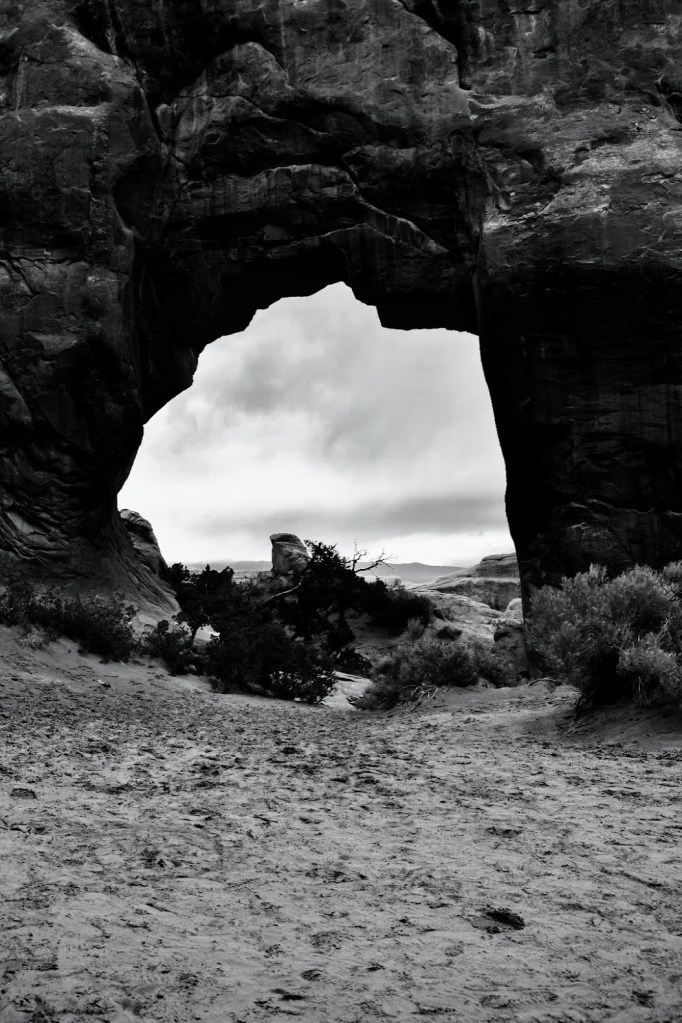
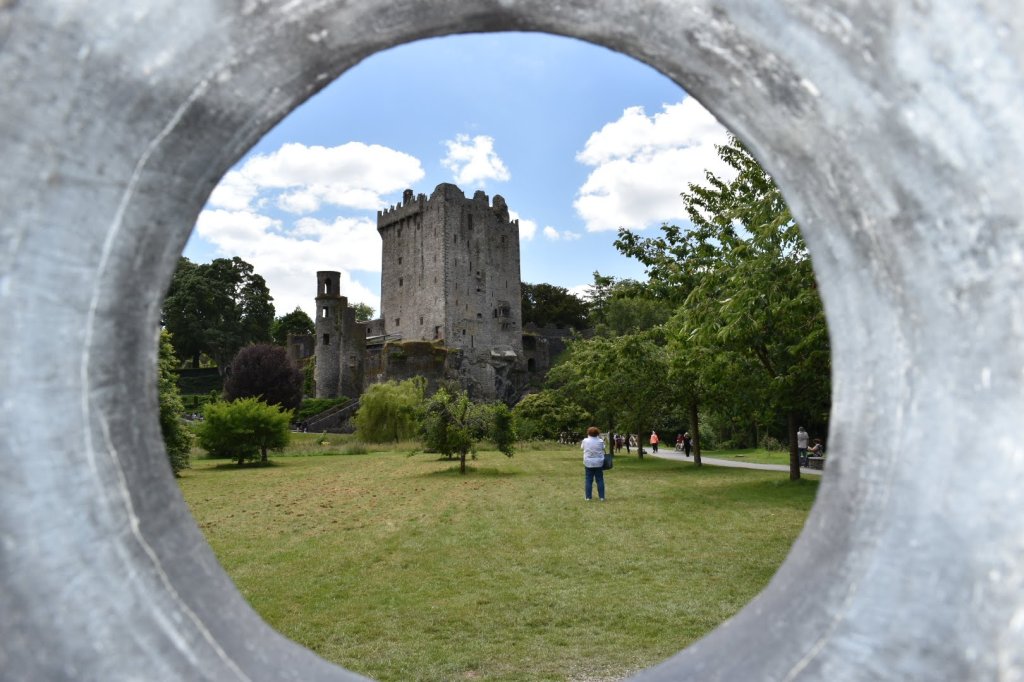
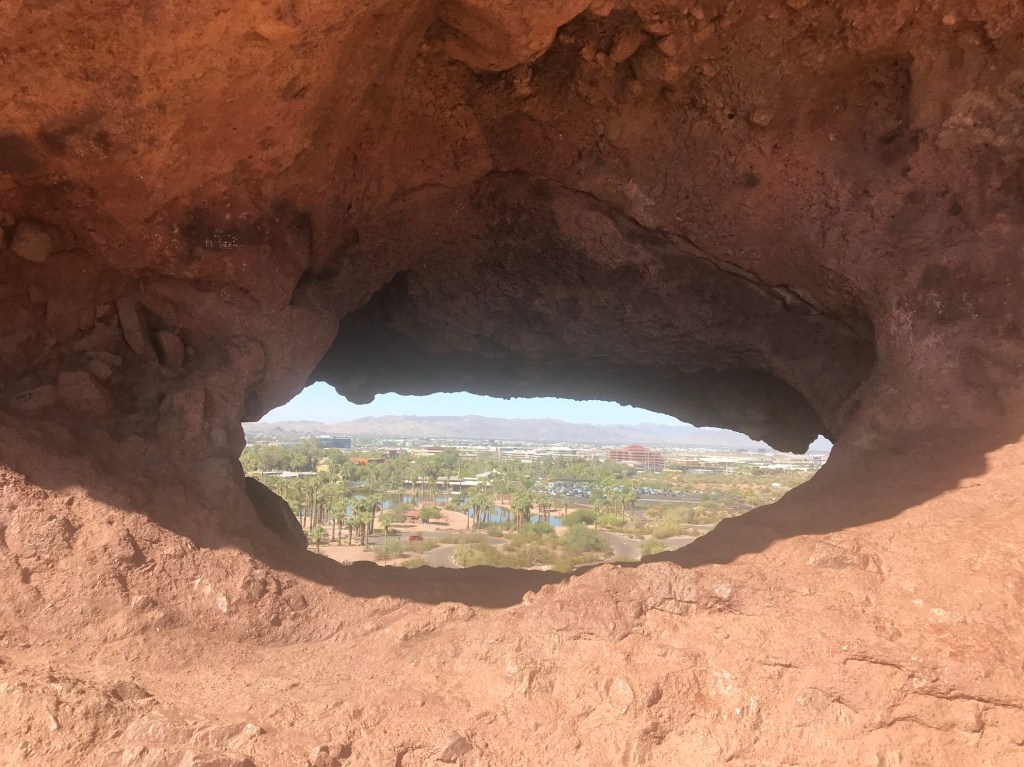
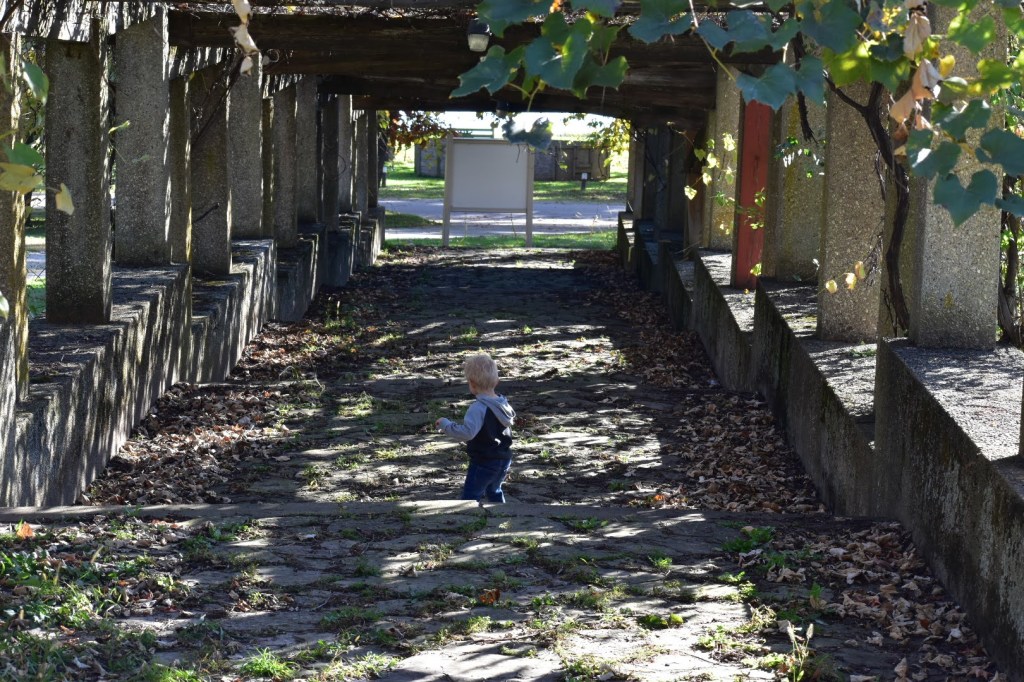
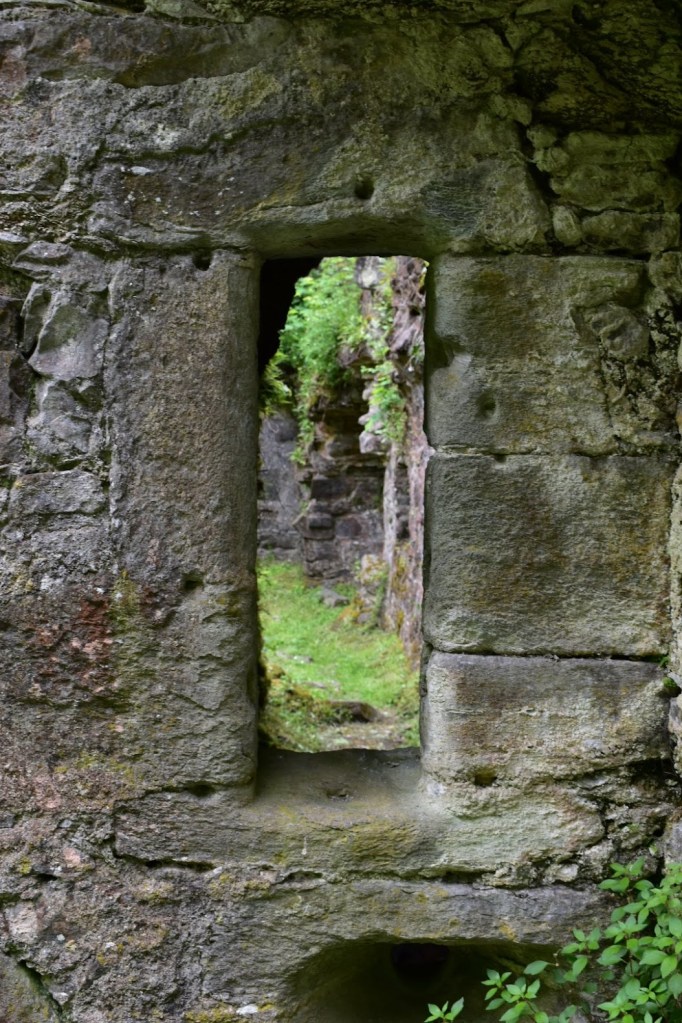
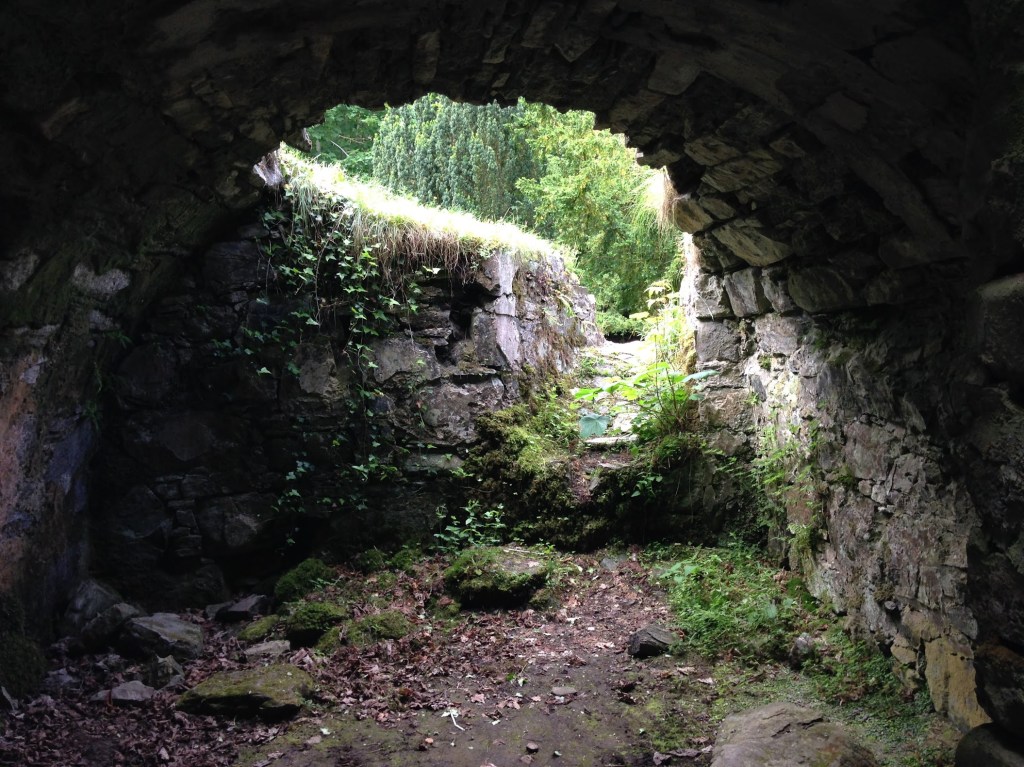
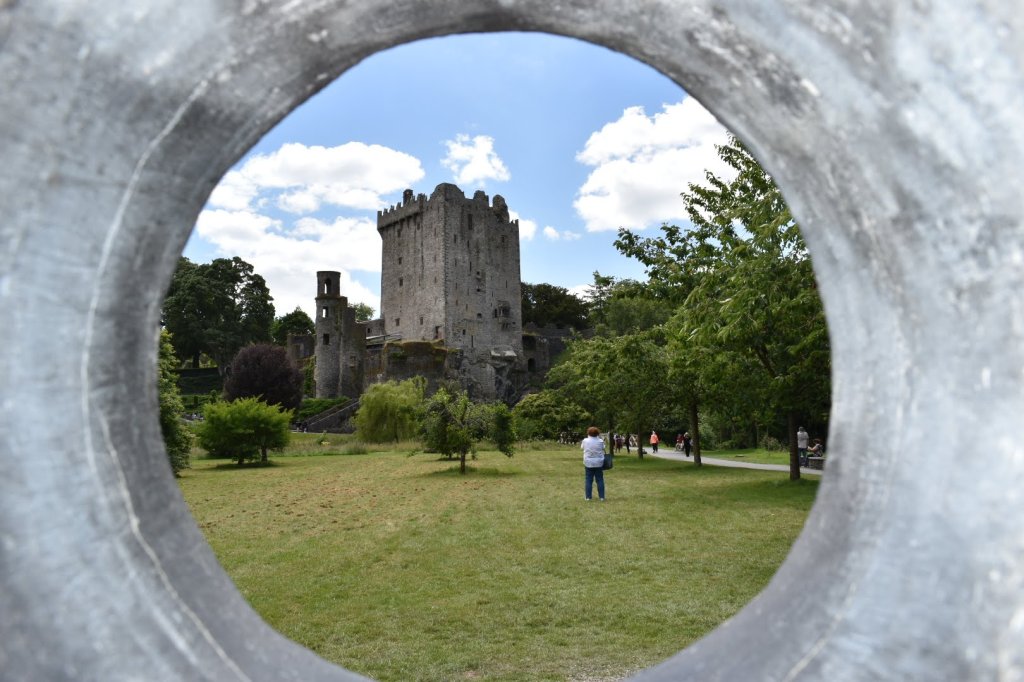
As an amateur photographer I have been drawn to images of passageways. These visual prompts can also make you reflect on the life passageways common to human experience. In this section of my blog I’m inviting you to consider both some passageways I’ve photographed, and others I will invite us to reflect on.

Leave a comment

Filed under Leadership, Passageways, Uncategorized

Climbing to New Heights

During the Season of Lent (the 40 days, plus Sundays leading up to Easter) that begins this year on February 14th – Ash Wednesday, I plan to share a preaching emphasis I’m calling “Mountain Top Experiences”. Maybe you’ve had one of these experiences before? Usually we think of them as “high points” in faith where we may have been inspired, encouraged or given a sense of purpose or direction that is very clear. Traditionally, mountain top experiences come within the Christ following journey through welcome things like a week at church camp, a spiritual retreat experience, or going on a short-term mission trip. They can also happen via a dream or vision, or as part of a unique worship encounter when you are aware of being in the presence of the Holy One. As I look back on my life I can recall a few different mountain top experiences that fit these qualities. My life was enriched and in some way shaped or formed through each of them.

But mountain top experiences, in a spiritual sense do not always have to be euphoric and celebratory. The Bible is also filled with mountain top experiences that were very trying, tests of faith, results of disappointment, and even confrontational. What they share in common with their more joyous cousins is an outcome that is formative, with the capacity to redirect one’s life. I’m thinking of Abraham who takes Isaac up Mt Moriah where his faith is tested. Or how about Moses on Mt. Nebo overlooking the land he’d labored to lead a nation to for forty years, only to be denied entry himself. Then there’s Elijah, on Mt. Carmel in direct conflict with the prophets of Baal and their sponsors, King Ahab and Queen Jezebel. None of those mountain top experiences would’ve had lines of folks waiting to participate. 

Jesus journeys in and around many of these same mountains we read about in the Scriptures. He knew the stories and understood their significance. And he added some of his own mountain top encounters to the Biblical narrative. His “sermon on the mount” may be a collection of his most well-known teachings. His trip to the Mt of Olives was preparatory to his passion. And, of course, the Hill called Mt. Calvary was climactic in His mission.

Some people are ocean people, some like lakes and rivers, give me mountains any day. Their very contours and landscapes speak. They stand as obstacles, challenges and destinations. They offer us their own lessons if we will listen. They are places of epiphany and discovery, where mystery can be revealed and yet still retain much of its unknowns. They are meeting places between heaven and earth. When we climb them (literally or figuratively) they sculpt and chisel our lives and stories a bit, leaving us changed. 

That’s my hope in sharing this series of messages on narratives that involve mountains. May they be used to once again shape, mold, sculpt and form us as we continue the journey with Jesus. 

*If you are interested in following along, my Sunday messages are shared via Youtube on the First Marion Baptist channel, generally made available by Sunday afternoon or evening.  This series will begin on Feb. 11th with the message “The Mountain of Revelation” on Mark 9:2-9.

1 Comment

Filed under Christian Faith, Holy Days, Ministry, Pastors, Spiritual Formation, Uncategorized

The Gift of a Trusting Heart

Trust, it seems to me, is a gift extended in individualized measure. Some of us trust easily and readily. Others of us are wary when it comes to trust. This is often the result of personality, as well as personal experience and history. If you’ve had a past experience in which you trusted but were hurt or disappointed, it becomes more difficult to place trust once again. If you are more of a glass half-full verses glass half-empty person, trust may be offered more readily.

The story of the angel Gabriel’s visitation to Mary (Luke 1) is an interesting case study in trust. If we believe tradition, Mary was a young woman, perhaps in her teenage years. That’s old enough to have some experience with trust, but not so old as to become too jaded by life’s disappointments. She is in a season of betrothal, promised in marriage to Joseph. No doubt she is trusting tradition, her parent’s wisdom, and maybe her heart as she looks ahead to the life they will share.

The announcement Gabriel shares would send shock waves through any young (or old) life. Yet she seems to receive it with a remarkable maturity, one might suggest “readiness”. Yes, she has questions: “How can this be?” and she is “much perplexed” by Gabriel’s words as she ponders their meaning. But, in the end, she comes to trust, saying “Here am I, a servant of the Lord, let it be with me according to your word.”

So, what was the tipping point that allowed Mary to embrace trust? What got her to “yes” when it came to this life changing announcement? I think her ability to offer the gift of a trusting heart was the result of many things. No doubt her upbringing, the foundation of faith established in her by her parents and community played a part. Perhaps her personal disposition, the seemingly “reflective” and measured personality that took things in to “ponder” them? Ponder is a word often attributed to Mary. There were also the remarkable words and pronouncements shared by Gabriel:
– Greetings you who are “highly favored”
– “The Lord is with you”
– “you will conceive” and “bear a son”
– “He will be great and be called the Son of the Most High, and the Lord will give him the throne of his ancestor David.”

These were all things on which to proffer a response of trust. But, I believe the words that pushed Mary to an embrace of “yes” involved the news of her relative Elizabeth. It’s upon hearing of Elizabeth’s own, unexpected pregnancy, that Mary expresses her trust. This news appears to be confirmation of God’s activity in miraculous ways and offers Mary human companionship around which to grow into the role God has bestowed. She will go to spend three months with Elizabeth, getting immediate confirmation of upon her arrival of God’s special assignment through Elizabeth (and John’s) greeting. One can imagine the conversations, the mentorship, and affirmation these two women shared over that final trimester of Elizabeth’s pregnancy. While God had placed considerable responsibility upon one so young, God has also arranged for a companion and encourager in Mary’s life.

It’s easier to trust when you are in the company of others who are trusting the same things. This is the beauty of Christian community in our lives. We need the church, as the body of Christ, to confirm and affirm our own pledges of trust in the Christ following life. Hearing what God was doing in the life of Elizabeth must have been encouraging to Mary as she embraces what God is doing in her own life. Indeed, she offers to the Christmas story, and to our own stories of faith, the gift of a trusting heart.

How does Mary’s story influence your own embrace of trust? How does her example encourage you to trust God? Who is, or has been, your Elizabeth figure when it comes to trust? For whom are you serving in that role? These are the questions that emerge from this portion of Luke 1 for me today.


1 Comment

Filed under Christian Faith, Holy Days, Ministry, Uncategorized

The Gift of a Promise Kept

How many times have we seen a public figure make a dogmatic promise only to later go back on their word? The most obvious examples are politicians who find the challenge of governing requires a lot more compromise than the vitriol of campaigning. But we may also experience the heartbreak of broken promises in other venues of life. Sadly, it’s an experience persons share in common sometimes in the workplace, too often in marriage today, and even between friends. Maybe that’s what makes it noteworthy when a promise is kept.

One of the gifts of Christmas we share in common is the gift of God’s promise kept. This may not be the verbiage found in the Christmas story, but I believe it’s an underlying foundation for all that transpired at Bethlehem. God had long promised to love and care for creation, including humanity as the trusted stewards of the world. Despite humankind’s repetitive breaking of the covenant relationship with God, we do not find God going back on God’s word. Again and again the promise is reiterated to redeem the people, to love the people, and to send One in the Messiah who would restore the people with the Creator.

It’s always been interesting to me that the early Advent stories and texts so often begin, not with Jesus, but with his cousin John. John the Baptist is an intriguing figure who appears on the banks of the Jordan river. Both his diet and his wardrobe are noteworthy, but perhaps not as much as his message. He, in the tradition of Elijah, raises a clarion call of repentance. But whereas Elijah’s was mostly directed to Ahab and Jezebel, John’s is directed to everyone.

John has been called many things – the forerunner, the prophet who prepares the way, the voice of one calling out in the wilderness – but how about we think of John as a promise kept? After 400 years of prophetic silence, John makes his entrance into history echoing and fulfilling the words of Isaiah. He sets about lifting up valleys and flattening hillsides to make straight a highway in the desert for our God. The tools of his landscaping and excavation work are his words, his voice, and even his person. He’s not deterred by the skepticism of the religious leaders, who’s cozy world he threatens; nor is he swept away in populism by the crowds of people who flock out to hear him. John is fulfilling a calling. John is preparing the way.

He will one day, upon seeing Jesus in the queue for baptism, proclaim: “Behold the Lamb of God!”. He will further state that he, John, is unworthy even to tie the sandals of the Messiah – God’s anointed. His life’s call is to point others to Jesus. And, yes, while imprisoned he expresses questions, through his disciples to Jesus, as to his timing, method and purpose; in the end John loses his very life as a martyr to the burgeoning movement we’ve come to know as the Christian faith.

John is God’s promise kept. He’s God’s promise kept to his parents, Zechariah and Elizabeth, given through Gabriel to Zechariah as he burns incense and offers prayers in the Temple. He’s also part of the promise kept to the people of Judah and Jerusalem; a messenger making way for the Christ to come. And in this respect, John is a promise kept to each one of us. As we revisit his story and attune our ears to his words again this season, let us be mindful that they are not just words for history. John’s words are words for today as well. We are called to prepare the way for the coming of the Lord. This is work we are asked to do each year, each Advent and Christmas.

What are the crooked places within you that need to be made straight? What are the valleys – the low places of your life – that might be “lifted up” by the hope of a coming Savior? What are the high points – maybe the places where you’ve ascended a bit too far on your own, leaving God behind? How can you heed John’s call and join his mission to make straight and smooth a highway for our God?

This is the opportunity of Advent. This is the preparation for Christmas. This is the gift of a promise kept.

2 Comments

Filed under Christian Faith, Holy Days, Ministry, Pastors, Uncategorized