Category Archives: Passageways

“What was that you said? The meanderings of a guy with one good ear.”

In 2 Corinthians 12:7-10 the Apostle Paul writes about what he terms his “thorn in the flesh”.  He describes this “thorn” as have been given him to keep him “from being too elated” (or boastful) in his ministry. He goes on to report that, having prayed three times to the Lord to be relieved of this thorn, he had resigned himself to accepting it and trusting instead in God’s grace. 

Scholars and preachers have speculated throughout history as to just what it was that Paul calls his thorn. A leading theory is that it may have been his poor eyesight, rendering him dependent on others in the writing of his letters. But we simply do not know for sure. All we do know is that God gave Paul a peace about this affliction, allowing him to accept it with this affirmation direct from the Lord: “My grace is sufficient for you.”

For the past several weeks I have been thinking about Paul’s thorny situation. In a small way, you see, I can relate. I don’t have poor eyesight and am thankful to live in a time when my vision deficiencies can be corrected with modern eye care. But I have developed an annoying health companion I would just as soon be done with.

In the second week of March I came down with a virus (RSV) that led to pneumonia and was accompanied by a full-blown ear infection. In my memory I’d never had an ear infection before, though I had once overcome pneumonia. I previously thought RSV or Respiratory Syncytial Virus is something only little children contracted. The Emergency Department Nurse Practitioner informed me that it can also be problematic for “older adults”. She said this in a way that let me know I was in that demographic, and that it was common for RSV to cause severe lung infections, like bronchitis or pneumonia.

Continue reading

2 Comments

Filed under Uncategorized, Christian Faith, What I Am Learning, Passageways, Seasons

Wilderness & Lent

The traditional lectionary text for this past Sunday, the First Sunday of Lent, recounts Jesus’ temptation in the wilderness. This comes on the heels of Jesus’ baptism and is shared in Matthew 4:1-11, Mark 1:12-23, and Luke 4:1-13.

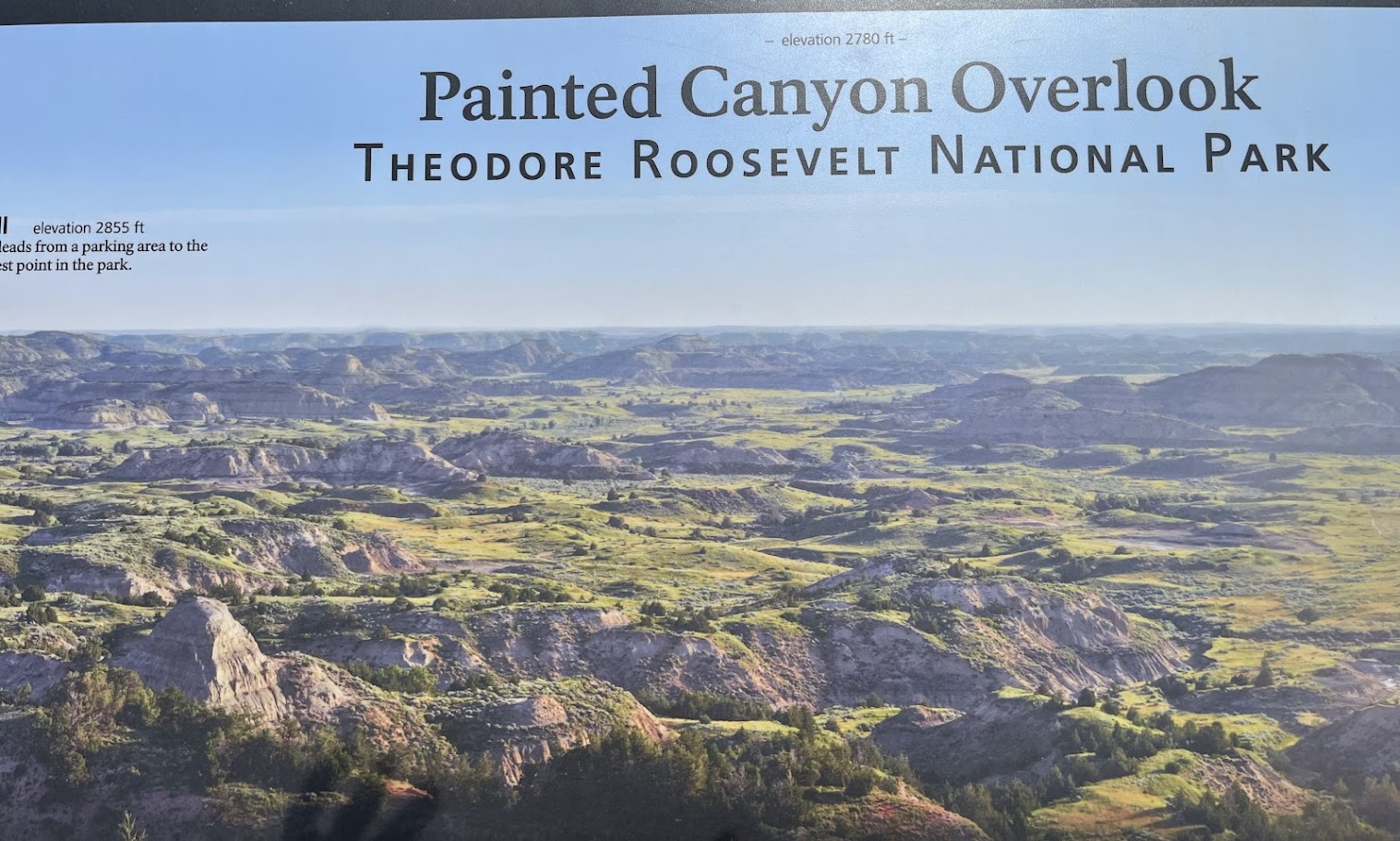
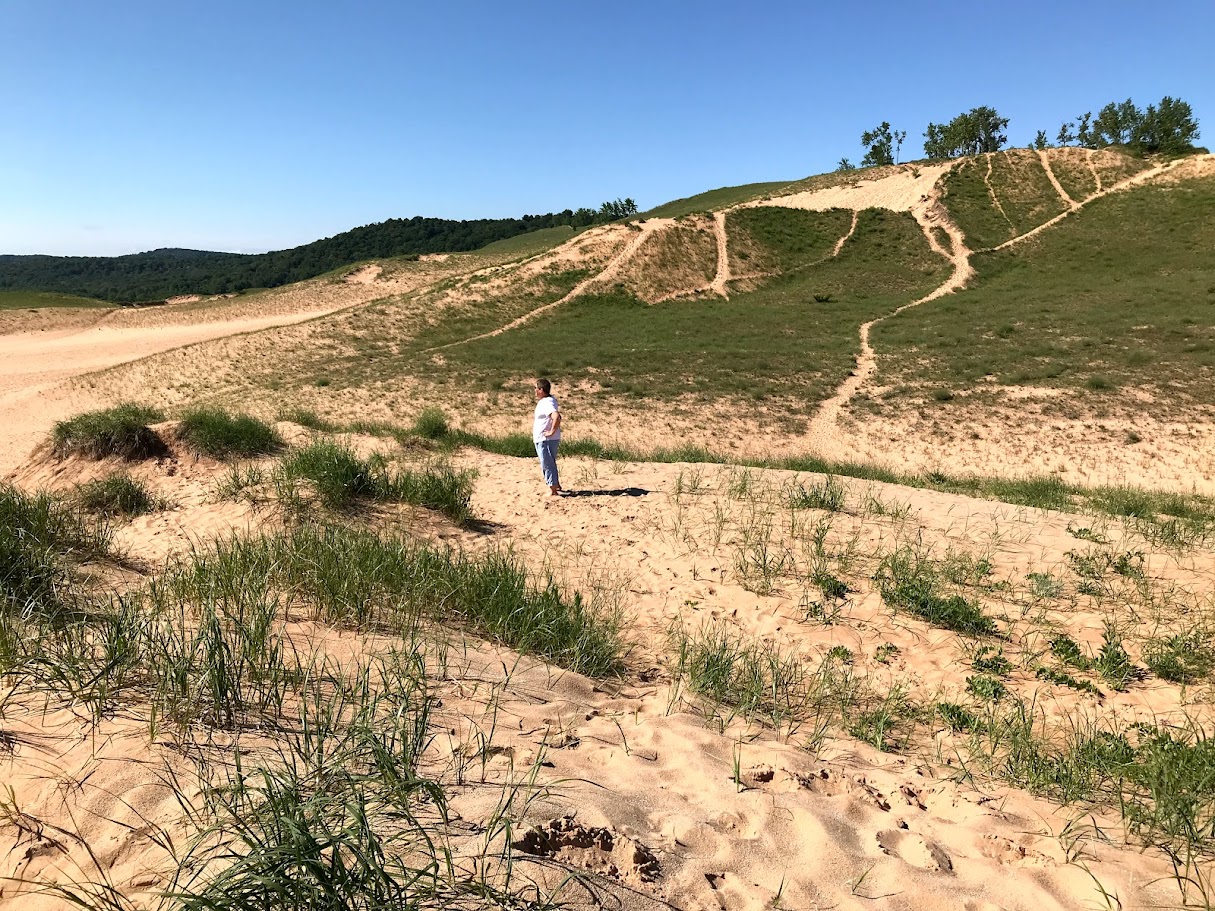
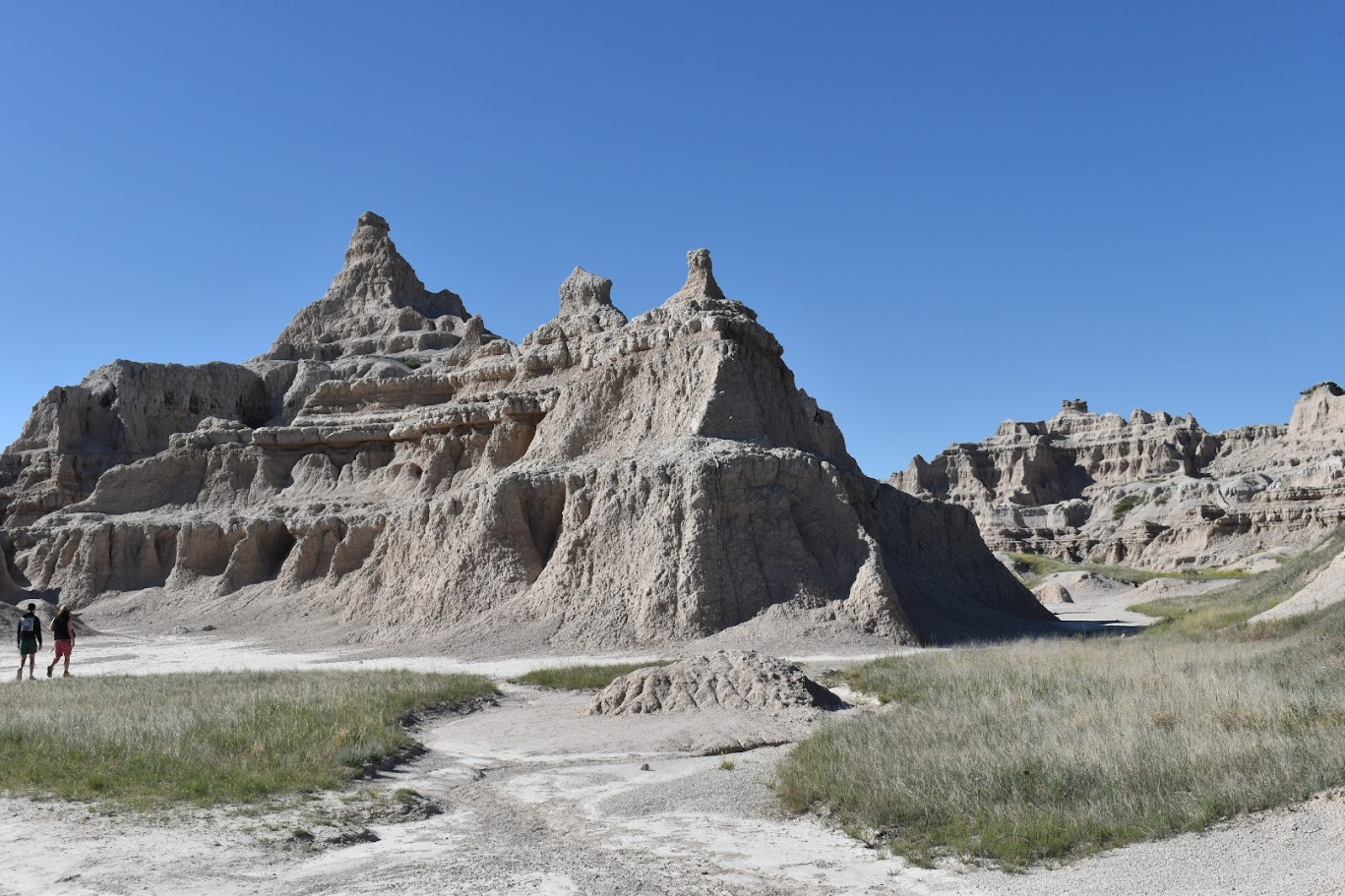
When I think of wilderness my mind goes to western United States topography. I think of the wilderness of Arizona – specifically around Superstion Mountain (see photo below), or the wilderness of the Badlands in South and North Dakota. These are arid places inhabited by sage brush, cacti, rattle snakes, heat or frigidity (depending on the season). The topography is rugged and unforgiving. These places are filled with life, but its a kind of organic existence that has learned to negotiate the hard scrabble climate and terrain.

Imagine spending 40 days, alone, fasting in these kinds of places. It would be nearly impossible. One would not only face the physical elements of the region, but also the physiological realities of food deprivation, both of which could easily contribute to sleep deprivation. So, why go there?

In truth, wilderness is not always a place you choose to enter, as much as it’s a place you find yourself. Matthew and Luke both say that Jesus was “led” by the Spirit into the wilderness. Mark says “the Spirit drove him out into the wilderness”. There seems to be acknowledgment that Jesus needed this experience. Into wilderness existence can come wilderness discovery. Which is, of course, is the essence of Jesus’ temptation experience. He comes face to face with the mental and spiritual challenges presented by the Evil One.

Wilderness demonstrates how closely these three are interrelated – physical, mental and spiritual. Jesus confronts and combats wilderness, with all of its mental, physical and spiritual challenges through prayer. His fasting is a compliment to prayer, which is also sustained by Scripture meditation, used to thwart Satan’s tempting.

Periods of self-reflection and testing may be bouyed by such practices (prayer, fasting, meditation). In deploying these things we combat the aloness of the wilderness periods of life. God, Spirit, Christ are “with us” in Word and prayer, in fasting and meditation. Strength and awareness come from our engagement with these resources, leading us ever and again to the creation of all that is good.

Emerging from such times we do well to also follow Jesus’ example of rest and recovery. He was tended to by the angels, the Biblical accounts tell us. Perhaps we can seek the “better angels of human nature” found in care givers, loved ones and friends to tend to our needs as we rest and recover. Here too the ministry of the spiritual, companions that of the physical, and we emerge the stronger for the struggle.

The season of Lent is oft described as “wilderness time” meant to offer the Christ follower a penintent path to Easter. May this path lead to a re-consideration of the connectedness of all that the wilderness constitutes, including that link between physical, mental and spiritual.

Leave a comment

Filed under Christian Faith, Ministry, Passageways, Pastors, Spiritual Formation, Uncategorized

Advent is “New” Each Year

“Advent reenacts a past event as if it was new each year.” Diana Butler Bass, A Beautiful Year

There is a familiarness to this Advent time of year. We use familiar decorations, assume familiar routines and find ourselves among familiar people. We attend the usual services, programs and parties. We observe the well known traditions of our upbringing or adulthood. We revisit things from past years by memory or physical reunion.

“This is the day of the Christmas program.” “The yuletide dinner happens on the 12th.” “There’s a gift exchange with staff on the 21st.” It’s a time to reflect, to retell the story, and to make pilgrimage.

But, for all that is familiar, there is room for something new. Afterall, you are not exactly who or where you were last year, or any year prior. There are new factors in your life – new situations and circumstances too. Maybe you are in a new relationship, with a new friend or new grandchild. Maybe you are newly retired, newly unemployed or employed, have newly moved, or find yourself newly energized or challenged.

Life is never static. It’s organic, always changing and growing and evolving. The very composition of your body continues to change as old cells die off and new ones emerge and grow. Your mind is renewed by your thoughts and dreams, by what you read and what you hear and reflect on. Your spirit is refreshed by your devotion, prayer and worship life.

The annual invitation to the Advent season of preparation and waiting is to lean into the new, even as you revisit the familiar. Retell and listen again to the stories of Advent as you encounter the Scriptual themes. But do so in light of what’s new or fresh in you. Listen with a new focus. Allow your new situation to be the lens through which you encounter the familiar once again.

Anticipate Jesus’ coming again. Yet ask, “what’s new in this anticipation” for me? What is it that you are to pay attention? What does this Advent have for you to learn – about yourself, your faith, your relationships, your God? Might you be being asked to pay attention in a new way during this season that feels so familiar but can be so new?

© Daniel M. Cash 2025

Leave a comment

Filed under Christian Faith, Holy Days, Ministry, Passageways, Seasons, Uncategorized

Why does a Woolly Worm cross the road?

Why does a woolly worm cross the road? I’m not sure it does make it across the road, but I’ve seen many of them from my bike lately, catching the sunshine on the pavement of our county roads.

As morning temperatures dip, reflecting the coolness of Autumn, these orange and black creatures seem to seek the warmth of the sun-soaked pavement. Or maybe they are just out going for a stroll?  Their sunbathing comes at great risk, however.  I may easily dodge them on my bicycle, but its doubtful a grain truck or pickup would be so conscientious.

Wooly worms are fascinating little creatures. They follow an interesting life cycle on their way to transformation. Upon hatching from their eggs on plants, they begin eating and shedding their skin, up to six times as they grow. As caterpillars, with their distinct “woolly”, bearlike appearance, they have the capacity to overwinter in their full-grown state by producing a type of antifreeze in their system to survive the cold temperatures. They will hunker down under a log or other protective surface and wait for spring, some eventually spinning their silk cocoon to enter the pupal stage during winter, others overwintering as caterpillars and not pupating until spring.

Once in the cocoon, it’s just a matter of a few weeks until the transformation is complete and they emerge as the Isabella Tiger Moth. They live in their adulthood for a few more weeks until the life cycle begins anew as they mate, lay eggs and die.

The lore of the woolly worm has long been associated with predictions about winter.  The amount and placement of the various hues of orange and black on their coats is interpreted to mean something about the coming colder months.  More black coloring and a harsher winter lies ahead.  Black on the ends, and winter’s early and late months will be more severe than the middle, represented by orange.

A few years back, as I was riding the county roads, there was an abundance of woolly worms out on the pavement. I haven’t seen that many at one time again, but I do always see some this time of the year. I think one thing is certain, wooly worms, like most other creatures know without a doubt that winter is coming. Somehow their life cycle and constitutional makeup is a harbinger of just this truth.  They are another of God’s creative signs to pay attention to the changing seasons.

© Daniel M. Cash 2025
Leave a comment

Filed under Christian Faith, Cycling, Passageways, Seasons

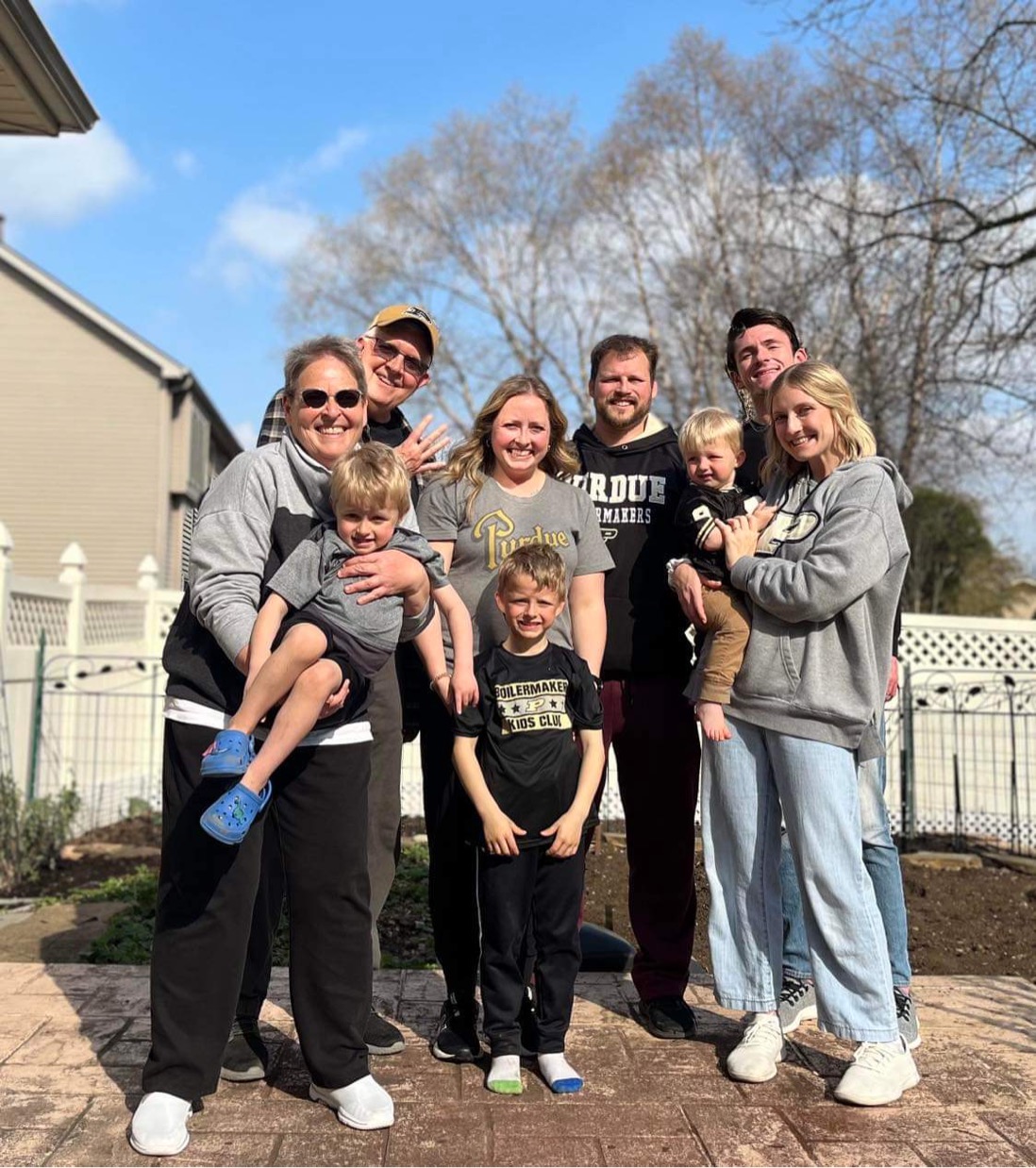
What I Am Learning Being a Grandad

“This may just be the best job I’ve ever had!”

“Grandad”.  I didn’t know what to expect of this new, later-in-life title I was about to inherit upon the birth of our first grandchild.  People would often ask me, “How do you feel about becoming a grandparent?”  “I don’t know”, was my usual reply.  And that was me being honest.

But once that little boy (our first grandchild) arrived in this world, I think both my wife and I realized this was going to be great. Becoming a grandad was and is a blessed new role that’s been bestowed on me in my later years.

This role has taught me a lot.  I found myself reflecting on it once again over the past year as we welcomed our first granddaughters into the family. They, like their three older boy cousins, are wonderful.

What am I learning, being a grandad (now five times over)?  Here’s a working list that I have no doubt I will continue to add to:

  • Naps are a gift – especially when holding a napping grandchild. Babies like contact time when they sleep and it’s good for grandparents too.
  • It’s not always the outcome, but the process that counts.  Having a grandchild help you cook, garden, rake leaves, repair something . . . what a fun thing to be able to teach, watch & encourage.  The process is more important than the product.
  • When they show up, drop what you’re doing – it can wait.  Having grandchildren has helped me learn the importance of the present. These moments are fleeting, don’t miss them.
  • Every grandchild’s personality is unique and should be cherished as such.  Don’t play the comparison game, just enjoy each unique child on their own.
  • Ice cream tastes better when you share it.
  • Parents need a break once in a while – and so do their children.
  • Having some one-on-one time with a grandchild can teach you a lot about that child.
  • Sports feel way less competitive from the grandad chair.  Every team member deserves equal playing time!
  • Who knew Legos could be so much fun?
  • Toddlers take great joy in tearing down things. Especially aforementioned Legos.
  • The laughter of a child is some of life’s best music.
  • Discipline should be the realm of mom and dad.
  • I’m in love with a Grandma (or “Lolly” in my case)!
  • Don’t worry about keeping score in cards, basketball, soccer or any other shared game. Let the grand be the score keeper if that’s important to them.  Remember, they are always right.
  • Enjoy the wonder of discovery through a grandchild’s eyes and other senses. This world is pretty incredible.  Sometimes our familiarity is a detriment to wonder – not so with a child.  Let them re-teach you.
  • Collections are fun – sticks, rocks, bugs, Hot wheels . . . . you name it!
  • Spend some money on those kids.  You can’t take it with you.  Better to enjoy a moment together now.  
  • Little libraries are fun to visit while on a walk. 
  • A piano is a magnet to little people.  Ear plugs might help.
  • There’s nothing quite like raiding Lolly’s snack cabinet.  In my day it was Grandma’s cookie jar.
  • A trip to Rural King just for the free popcorn is worth it!
  • Watching your adult children parent is pretty cool.

These are just some of the things that I am learning.  I’m sure there will be more.  Can’t wait!

© Daniel M. Cash 2025

2 Comments

Filed under Christian Faith, Family, Passageways, What I Am Learning