Tag Archives: jesus

When Pictures Speak

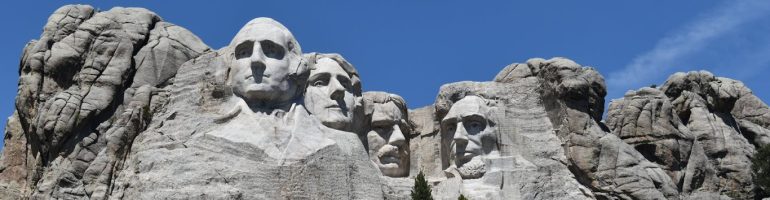
Last week our family enjoyed a vacation week together in the Black Hills. We visited such iconic places as Mt. Rushmore, Badlands National Park, Wind Cave National Park, Devil’s Tower National Monument and Custer State Park. It was a week filled with making memories, enjoying one another’s company and the beauty of creation. There were no shortage of photo opps. Some of them were staged, others presented themselves at scenic vistas, and some just developed.

The following photo was taken on The Needles Highway in Custer State Park. This is a scenic and winding drive through some unique geological features of that part of the Black Hills, and includes a couple of very narrow tunnels or passageways that have been cut out of the rock for vehicular passage.
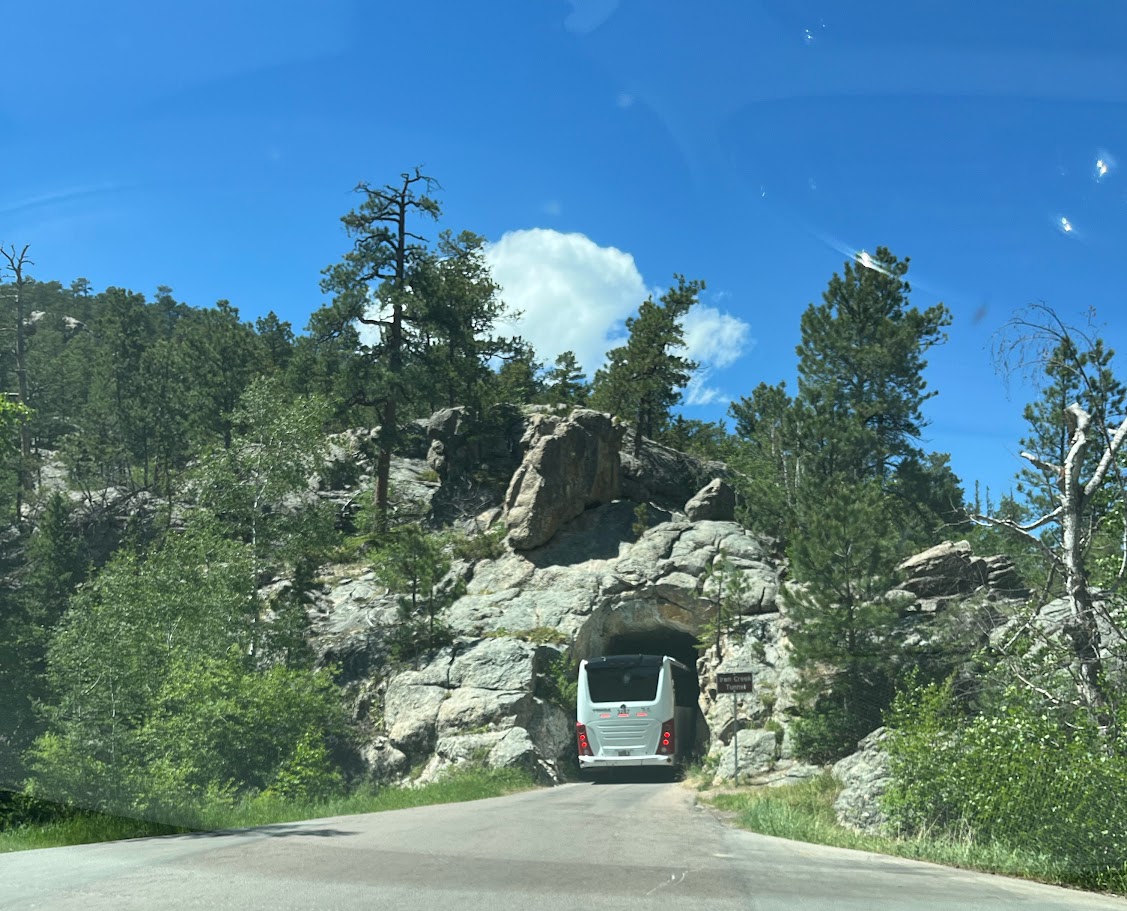
We just happened to be the next vehicle behind this bus size RV as it carefully squeezed it’s way through the Iron Creek Tunnel on the Needle’s Highway. I’ll confess that I wasn’t sure it was going to make it, and I wondered at the moxi of the driver who, despite multiple road sign warnings before commitment to this route, was determined to try his luck.

As I watched and snapped the pics, this Scripture came to mind: “Again I tell you, it is easier for a camel to go through the eye of a needle than for someone who is rich to enter the kingdom of God.” (Mt 19:24 NIV) In truth this verse has always kind of bothered me. It’s not that I’m rich, or even hang around with those of great wealth, but it just always seemed Jesus was calling out the affluent with his camel, eye of a needle, hyperbole. And of course he was – and is. An abundance of provisions or resources in life can lull us into a false confidence that we do not need anything or anyone – including the grace of God. Much of western civilization today knows this false confidence in comparison to much of the world. We are living under the illusion, too often, that we are self dependent.

But ususally an event or challenge will confront even the most misled among us along life’s way and reveal the falsity of such thinking. We find ourself trying to drive our metaphorical RV through a tight spot without scratching or dismembering it. We may even stop and seek reassurance that we’re going to make it. We might even ask for help.

The Scripture doesn’t say it’s impossible for the rich, or falsely overconfident, to enter the “Kingdom of God”, just that’s it’s challenging for those of us who are living in some type of affluence to admit our need for the grace, forgiveness, help, salvation that God’s Kingdom is associated with.

The good news is the guy in the bus size RV made it, not just through this tunnel, but an even trickier one that came up the road. That’s good news metaphorically as well for those who live in the affluence of a land of plenty, which includes more of us than we may want to admit.
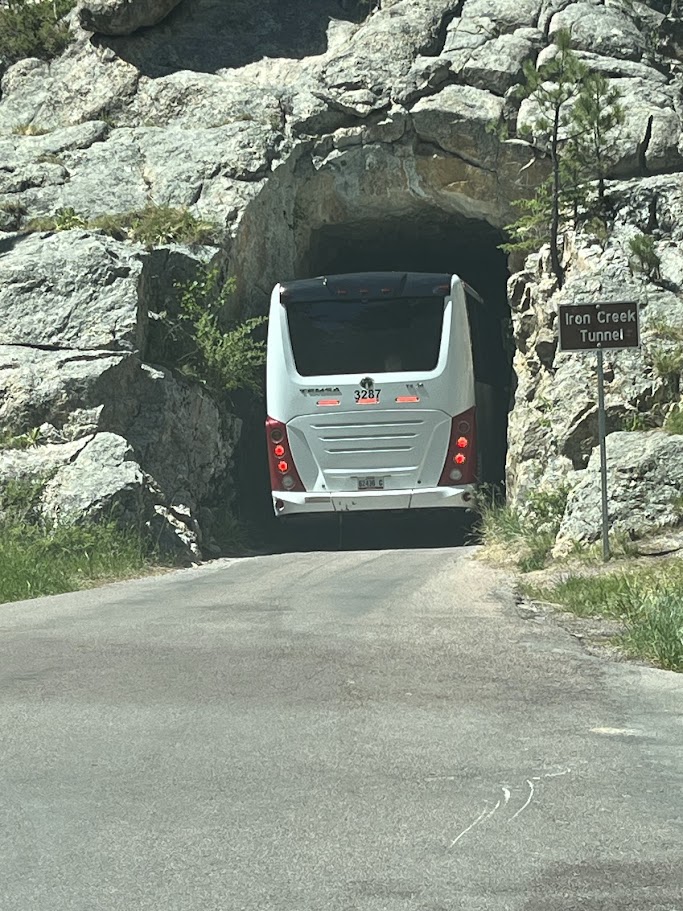
Photos by Daniel M. Cash – Custer State Park, South Dakota – Needles Highway
1 Comment

Filed under Christian Faith, Family, Holy Days, Hope, Ministry, Passageways, Uncategorized

Ascending to Embrace the Ascension

As a Baptist pastor, and part of the Free Church tradition, I have never focused too much on Jesus’ Ascension. Sure, I know it is recorded at the end of Luke’s Gospel and again in the beginning verses of Acts, Luke’s second volume; but I do not recall ever having preached a sermon or led a Bible study on the topic. Until this year, when that is exactly what I am planning to do. Why?

In part my interest in Jesus’ Ascension is sparked by my having leaned of late on the Revised Common Lectionary schedule of texts in my preaching. I determined to not leave Easter behind too quickly this year, so have mostly followed the recommended Gospel or Epistle readings for the Sunday’s of Easter. But this is not the only reason.

For the past three years I have also been working part-time as a chaplain in a Catholic hospital. It seems every time you turn around there is some kind of special feast day or saint day being recognized either in the communications shared with staff, or at a chapel service led by one of my priest chaplain colleagues. And, of course, Jesus’ Ascension (celebrated on May 14th) will qualify as one of those special days. Seeing the advertisements for such a “special day” and “special service” peaks my interest.

We Baptists never want anyone telling us what to do, what or how to preach, or really much of anything else. We are an independent (some might say “stubborn”) lot. But, I began to think maybe it was about time I investigated this holy day (The Ascension of our Lord) in the Christian calendar, and ministry of our Lord Jesus. What’s it all about? Why is it important? Is it important? (Yes it is!)

Let me lay the foundation for my affirmation in this way. To “ascend” is to “move upward, climb or rise to a higher point”. This can be done both physically and/or figuratively. Someone might ascend a hill, for example; but they might also ascend to a position of more responsibility. Turns out ascending is not all that uncommon in life. People do it all the time. They climb mountains, they scale the corporate ladder, they achieve degrees in higher education – they ascend.

Jesus’ ascension is a bit different from this, and yet, it’s not. At the close of his ministry on earth, 40 days after his resurrection, Jesus ascends into heaven. He “goes up”, physically moving from earth to the heavens. There are eye witnesses to his ascension, some of whom, like Dr. Luke, record it for our benefit. But what does it mean?

Jesus’ ascension signals the completion of his earthly ministry and his return to glory. It marks his elevation and exaltation to the right hand of God, where he assumes his role as our High Priest and mediator before God. This is important. It means that Jesus is advocating for us as our High Priest with God, our creator. In this priestly intercessory role Jesus, who suffered for our sins on the cross, is uniquely interceding for all those who suffer and call out to him. He is looking upon us – seeing us – as followers and disciples; loving us and making intercession for us. Doesn’t that give you some goose bumps? It should!

In addition, his ascension happens, as he repeatedly taught, so that the Holy Spirit can come and dwell within us. Jesus does not “leave us” as orphans, but he sends the Spirit to be our comforter, advocate and guide here on earth. This happened 10 days after The Ascension of our Lord, on the day of Pentecost.

Finally, in his ascended role, our High Priest/King/Savior/Lord is also (according to John 14) “preparing a place for us” and he will “come again” to take us to be with him, they we may be where he is. (Sit with that for a moment or two!). To put it another way, Jesus ascends in anticipation of returning for the Church. He cannot come back until he goes, and his going has everything to do with his plan to return. Luke says it this way, quoting the angelic messengers present at the ascension of the Lord: “This Jesus, who has been taken up from you into heaven, will come in the same way as you saw him go into heaven.” There’s been an ascension, and one day there will be a descending of the Victor Jesus, returning as promised to begin his judgement and reign as our King of Kings in the new heaven and new earth.

So, I ask you, doesn’t all of that add up to some solid reasoning from which to say “thank you” and recognize the role of Jesus’ acsension? Can’t even an independent, stubborn Baptist get behind that? I plan to. How about you?

4 Comments

Filed under Christian Faith, Holy Days, Hope, Ministry, Pastors, Uncategorized, What I Am Learning

Wilderness & Lent

The traditional lectionary text for this past Sunday, the First Sunday of Lent, recounts Jesus’ temptation in the wilderness. This comes on the heels of Jesus’ baptism and is shared in Matthew 4:1-11, Mark 1:12-23, and Luke 4:1-13.

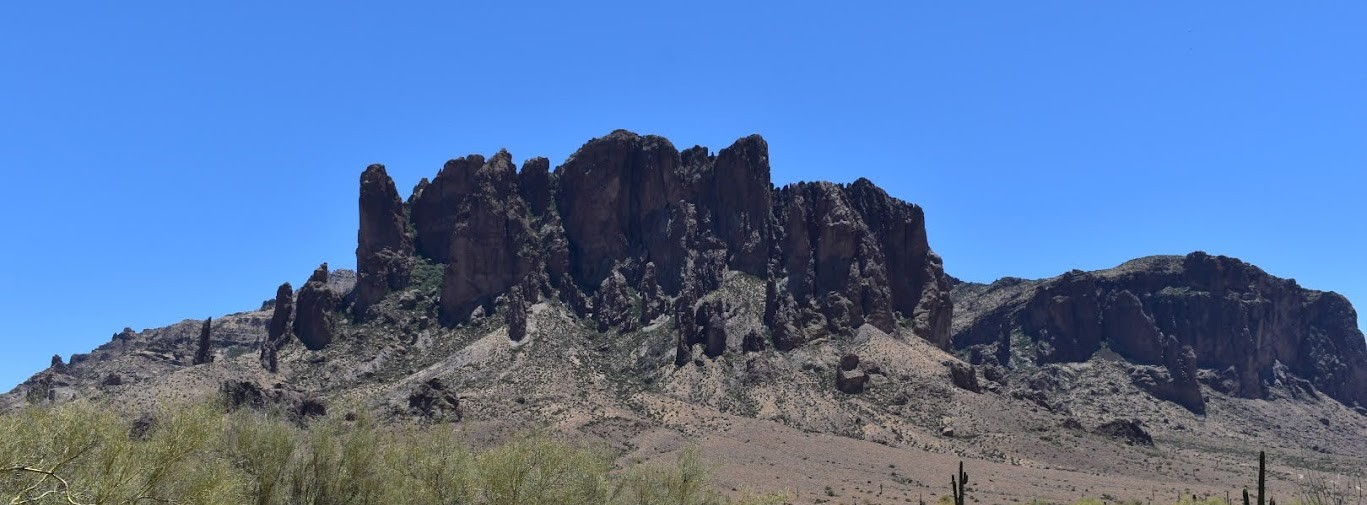
When I think of wilderness my mind goes to western United States topography. I think of the wilderness of Arizona – specifically around Superstion Mountain (see photo below), or the wilderness of the Badlands in South and North Dakota. These are arid places inhabited by sage brush, cacti, rattle snakes, heat or frigidity (depending on the season). The topography is rugged and unforgiving. These places are filled with life, but its a kind of organic existence that has learned to negotiate the hard scrabble climate and terrain.

Imagine spending 40 days, alone, fasting in these kinds of places. It would be nearly impossible. One would not only face the physical elements of the region, but also the physiological realities of food deprivation, both of which could easily contribute to sleep deprivation. So, why go there?

In truth, wilderness is not always a place you choose to enter, as much as it’s a place you find yourself. Matthew and Luke both say that Jesus was “led” by the Spirit into the wilderness. Mark says “the Spirit drove him out into the wilderness”. There seems to be acknowledgment that Jesus needed this experience. Into wilderness existence can come wilderness discovery. Which is, of course, is the essence of Jesus’ temptation experience. He comes face to face with the mental and spiritual challenges presented by the Evil One.

Wilderness demonstrates how closely these three are interrelated – physical, mental and spiritual. Jesus confronts and combats wilderness, with all of its mental, physical and spiritual challenges through prayer. His fasting is a compliment to prayer, which is also sustained by Scripture meditation, used to thwart Satan’s tempting.

Periods of self-reflection and testing may be bouyed by such practices (prayer, fasting, meditation). In deploying these things we combat the aloness of the wilderness periods of life. God, Spirit, Christ are “with us” in Word and prayer, in fasting and meditation. Strength and awareness come from our engagement with these resources, leading us ever and again to the creation of all that is good.

Emerging from such times we do well to also follow Jesus’ example of rest and recovery. He was tended to by the angels, the Biblical accounts tell us. Perhaps we can seek the “better angels of human nature” found in care givers, loved ones and friends to tend to our needs as we rest and recover. Here too the ministry of the spiritual, companions that of the physical, and we emerge the stronger for the struggle.

The season of Lent is oft described as “wilderness time” meant to offer the Christ follower a penintent path to Easter. May this path lead to a re-consideration of the connectedness of all that the wilderness constitutes, including that link between physical, mental and spiritual.

Leave a comment

Filed under Christian Faith, Ministry, Passageways, Pastors, Spiritual Formation, Uncategorized

Letting the Dust Settle

I did not grow up knowing Ash Wednesday. In fact I was probably in my late 30’s when I first attended an Ash Wednesday service. Since that initial experience I have since been to, even led, others. There is one being offered this evening at our church.

While I do not feel a need to be marked with a cross of ash residue on forehead or back of hand, I do respect the acknowledgement of mortality it represents. “From dust you came, to dust you will return”.

We are living in a time when there is a bombastic style of leadership attempting to drown out and overwhelm other messaging. Grandiose proclamations of “the greatest ever” this or that are commonplace. Shouting down and over criticism and questions has become the norm in the public sector. Hyperbolic statements of achievement and exagerated claims of significance reflect an egocentric approach that is, frankly, exhausting. Not only is humility absent, but praise is expected from those who serve alongside one whose unsatiatiable need for recogntion is unmatched. The adulation and acclaim sought seems unquenchable.

It is against this backdrop that Ash Wednesday arrives, an alternate message from an alternate perspective, sitting opposite the noise and bluster of today’s headlines. Ash Wednesday offers a needed reminder of humankind’s created status at the hands and mind of a benevolent Creator. It is about perspective, order, deferance, position – a need to acknowledge and assume a posture of humility. We, flawed and broken beings need the work of a Savior to rescue and redeem us. We are but dust, and to dust we shall return.

In Genesis 2 the account of creation shared states, “then the Lord God formed man from the dust of the ground and breathed into his nostrils the breath of life”. (Gen. 2:7) I have always favored this telling of creation because of both the “hands on” nature of God it depicts, as well as the reminder it offers of where we come from. Without God’s creativity and breath, we are but dust.

Most people do not like to think about their mortality, which may be why Ash Wednesday services are so lightly attended. It’s not a popular message. Yet, it’s an important one. Ever since the Fall of humanity, the human being has operated as if we are the center of things, and not God. But Ash Wednesday reminds us that in the end, we are but dust, just as we began. This is not a message of fatalism, but realism. It’s a message of order, humility, deferance, and perspective.

Let us not be fooled, the loudest, brashest and most bombastic messages will not carry the day. Let the dust settle on that.

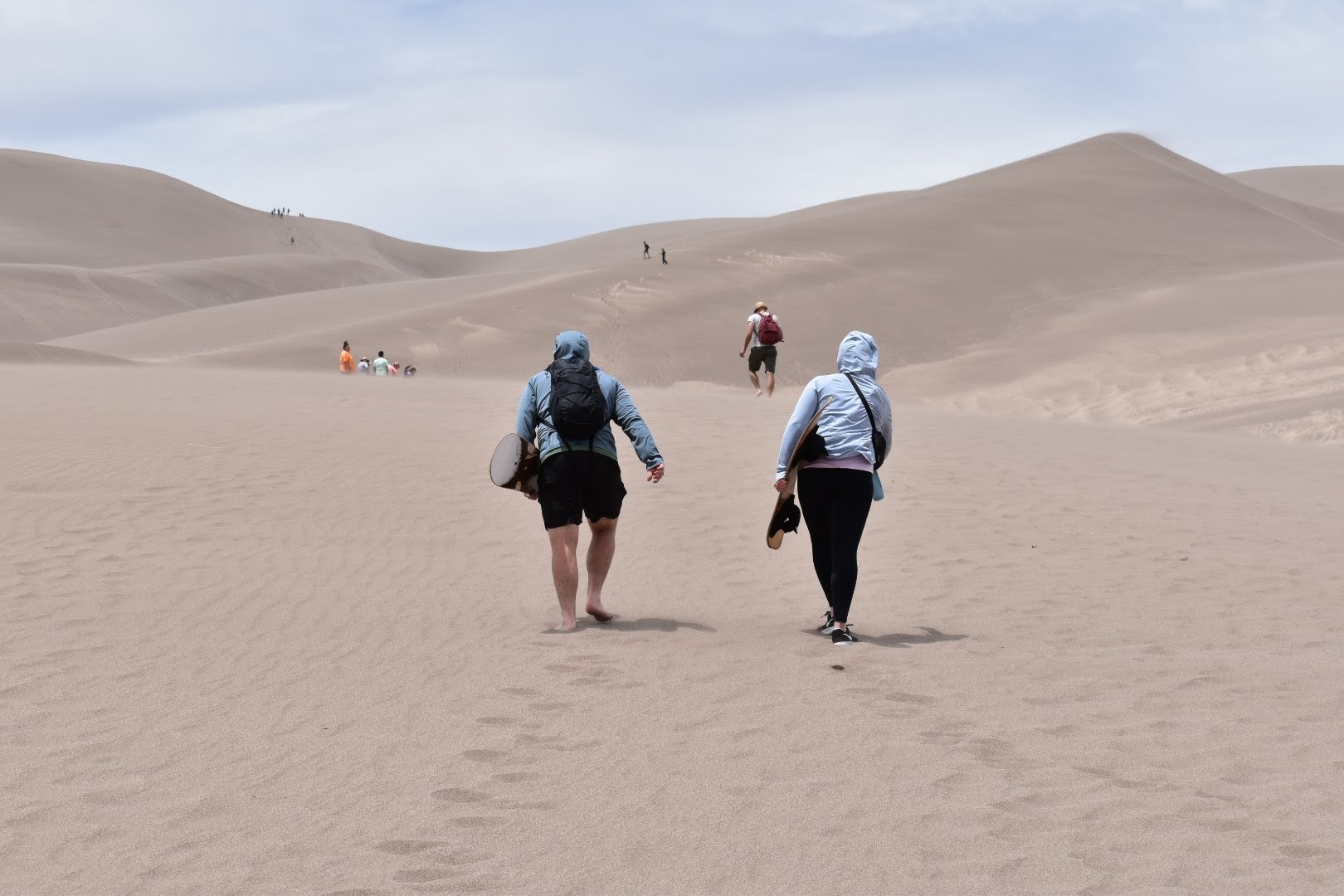
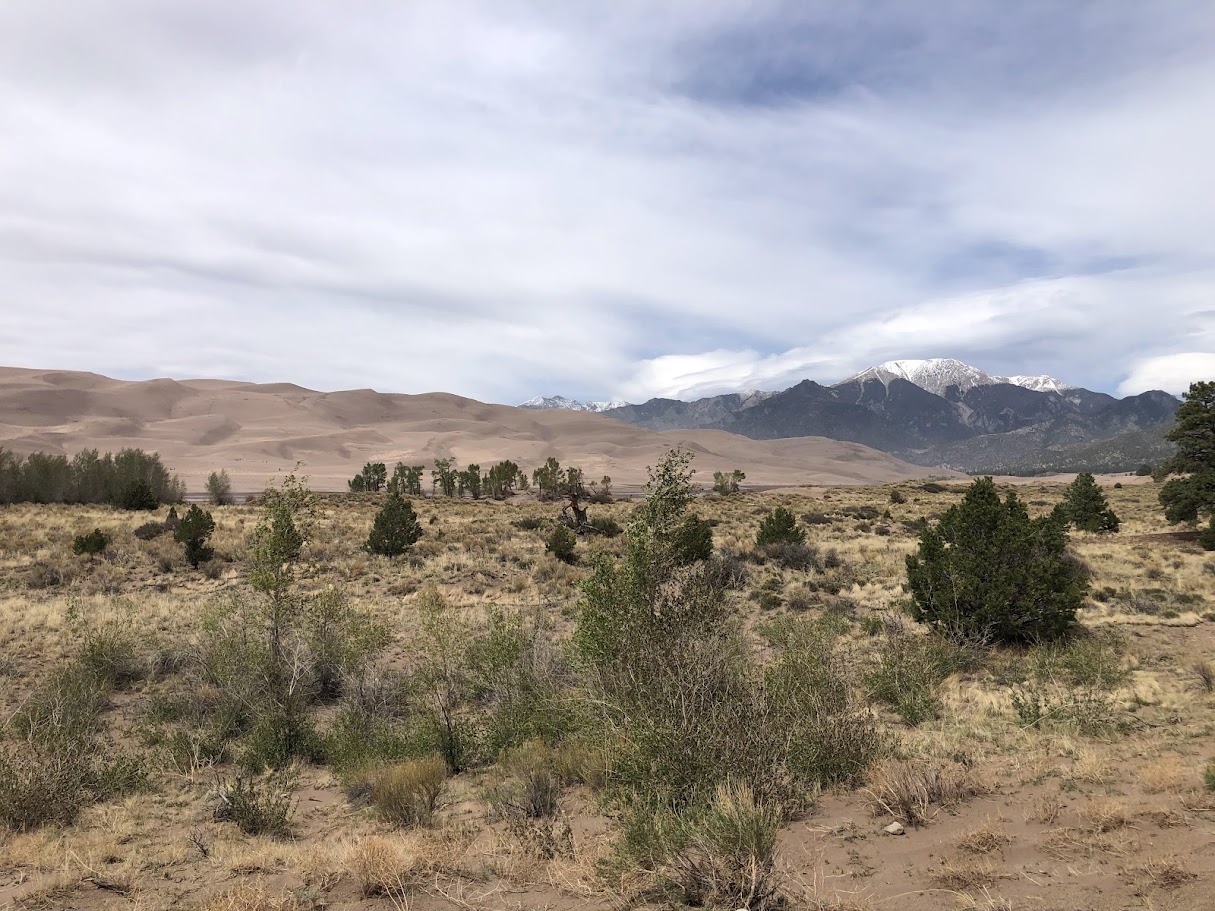
Images are from Great Sand Dunes National Park – Colorado. A dusty place!

Leave a comment

Filed under Christian Faith, Holy Days, Leadership, Ministry, Seasons, Uncategorized

This – this is Christmas!

‘Twas just days before the Christ child’s birth, and pilgrims were traveling. They were going home to pay taxes by order of Ceasar Augustus. Among them, enroute to Bethlehem, the town of David, were Joseph and Mary. This engaged couple was from Nazareth, making a weeklong journey to their ancestral home.  Mary was very pregnant, her baby expected any day.

The trip was difficult. Mary was uncomfortable but did not complain. Joseph was anxious, doing all he knew to accommodate Mary’s needs in a caring way. Day by day, mile by mile, step by step, they made their way.

On arrival in Bethlehem town the young couple were at first unable to find a place to lodge – which was too bad because Mary had gone into labor. When lodging was finally secured, it would be in an animal stable. Here the young woman, no older than her late teen years, gave birth to a son – the Son of God – whom she laid in a manger for his first bed.

His was a humble birth, befitting common parents of few means, who were encumbered by the demands of an occupying empire. But this baby was of God’s chosen people, in the very line of King David and Father Abraham. His birth had been foretold by prophets Isaiah and Micah. It would be celebrated in heaven and on earth as angelic choirs burst forth in song, and meek, poor shepherds came to bend their knee to the newborn king.

The details of what would have otherwise been an unrecorded birth, have become the heart-warming natal story of our Savior Jesus. It’s a story read, sung, proclaimed and treasured each year. Why?

Jesus’ birth introduced a new realm, which He called the Kingdom of God. It is a realm we pray to be fully known “on earth as it is in heaven”. His birth makes possible the reconciliation of separated people with their Creator. It will one day lead to the restoration of creation in a new heaven and new earth. This restoration will include the fullness of communion between God and humankind. All because Jesus would come to earth – come to die – to bridge the gap caused by sin, giving us a path back to God. He came as “God with us” (Emmanuel) and God for us. He is God loving us and God forgiving us.

This – this is Christmas! It’s the celebration feast of Jesus’ birth, filled with the echo of “Unto us a child is born! Unto us a Son is given. . . And His name is called Wonderful Counselor, Prince of Peace, Mighty God”, Savior, Lord, Messiah, Anointed One.

Behind all the glitz, lights and traditions of Christmas lies this story, the greatest story. The candy canes (like shepherd staffs), gift giving (in the Magi’s example), twinkle lights (for the Light of the World), carols and songs (ala the angel chorus), all point us to a night long ago in Bethlehem when “unto us” came one to be among us. It was God “pitching tent” in our very neighborhood. God in Christ – fully human and fully divine – our newborn king. Happy birthday King Jesus! Merry Christmas to all. Joy to the world!

© Daniel M. Cash 2025

Leave a comment

Filed under Christian Faith, Holy Days, Hope, Ministry