The Inside Passage

I have heard of the Inside Passage for much of my life. It’s a route specific to Alaskan and Canadian waters on the west coast of those principalities.

Here’s the Wikipedia definition: The Inside Passage is a coastal route for ships and boats along a network of passages which weave through the islands on the Pacific Northwest coast of the North American Fjordland.

But doesn’t the name “Inside Passage” sound like so much more? Think shortcut, protected route, even privileged or almost secret corridor. As in, “I found an inside passage that will deliver us to our destination!”

Seems like the stuff of hide and seek, or an episode of the Amazing Race. Titles can suggest such things. Couple a few words together and you open the imagination to new vistas and horizons.

Continue reading

Leave a comment

Filed under Christian Faith, Passageways, Uncategorized

Passageways: When Going Forward is Hard, but Going Back Would be Disastrous

When I was a kid our family often spent weekends camping at McCormick’s Creek State Park. The park has a variety of hiking trails and other attractions, but the one I was most drawn to was Wolf Cave. According to the park’s website “Wolf Cave was formed as underground water dissolved the limestone bedrock and carved out a network of passageways. Over the years Wolf Cave became exposed by the powerful forces of erosion. The cave is now dry because the underground stream it once carried has carved lower passageways.”

While I trust this explanation of the cave’s origin, as a kid all I knew was this was a “way cool” cave that you could actually go through from one side to the other. If memory serves, the opening of the cave – which is rather broad and squat – invites you to enter on bended knee. Through travelers are quickly funneled from the breadth of that opening into a single file channel of rocky outcrops and curves. The close formed ceiling of the cave causes you to watch your head (learned that the hard way), while the mud packed floor bids creeping footfalls that are sometimes accompanied by the suction of water. All of this is enhanced by total darkness, perhaps pierced by a flashlight if you were fortunate to have planned ahead.

I’m not sure my age when I first ventured through the cave, but I doubt I was yet ten years old. I do remember keeping touch with older siblings who were both ahead and behind me, and having the sensation of wanting to turn around more than once. That, however, was not an option for more than one reason. First, there were multiple people in line behind us and crawling back against that current of strangers was a foreboding thought. Second, the humiliation of turning back without completing the mission would have forever stained my reputation and self-esteem. (Who am I kidding, I wasn’t thinking in those terms. I just didn’t want to be called a “sissy” by my family!)

So, we pressed on. The confined passageway eventually yields to a more spacious great room at the cave’s opposite end. However, to exit that room back into the great outdoors one has to crawl through a small opening – which (as luck would have it) was filled with rain water on my pilot spelunking adventure.

Continue reading

1 Comment

Filed under Leadership, Passageways, Uncategorized

Passageways

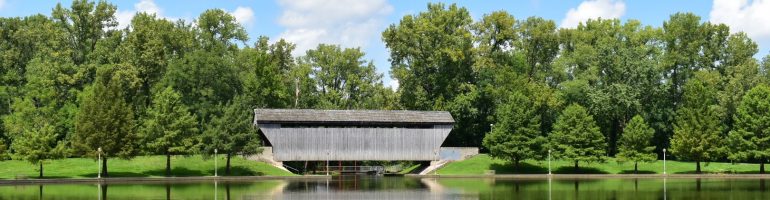
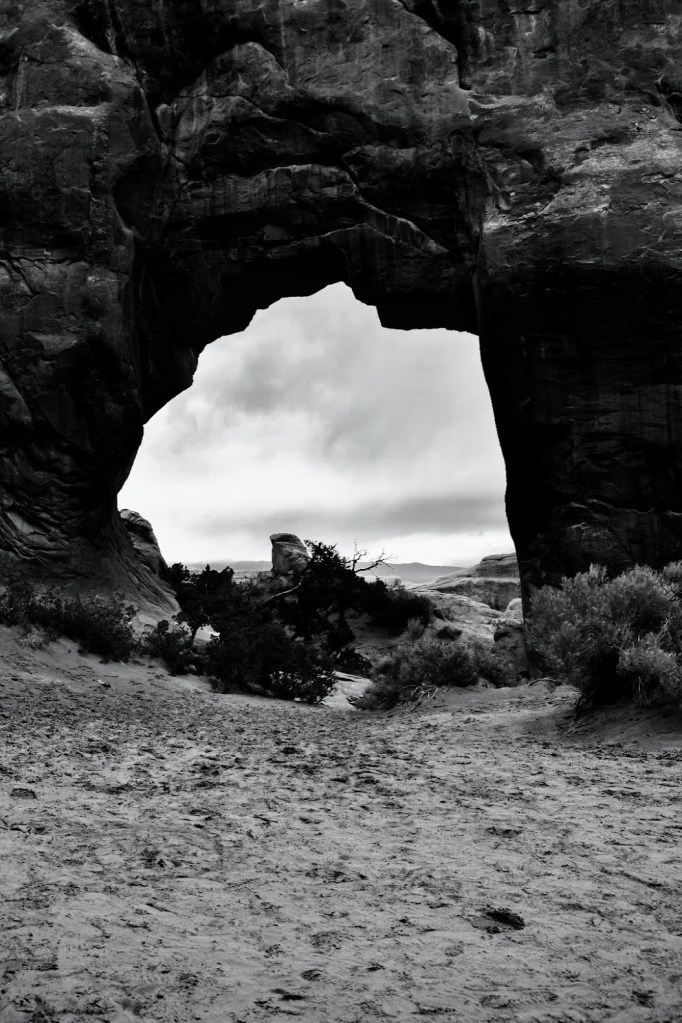
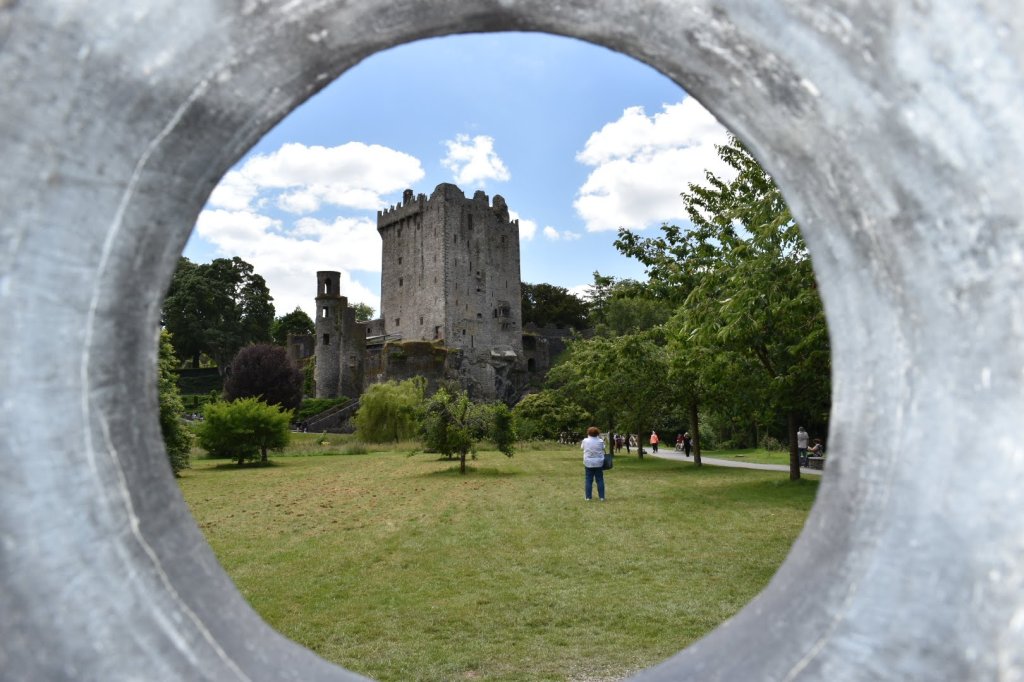
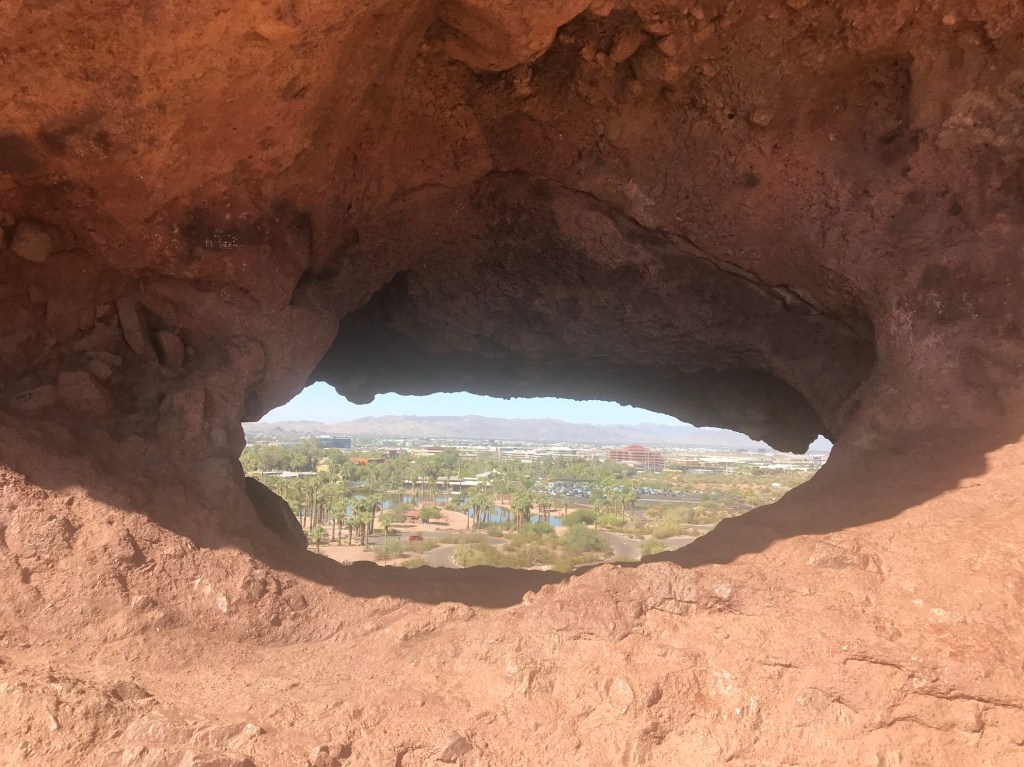
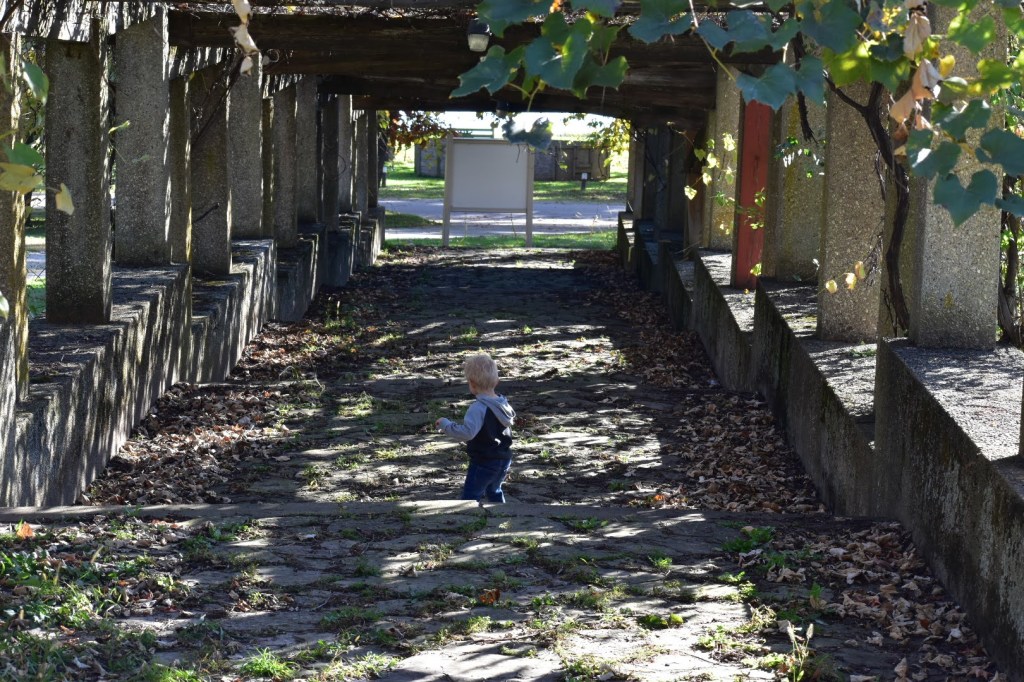
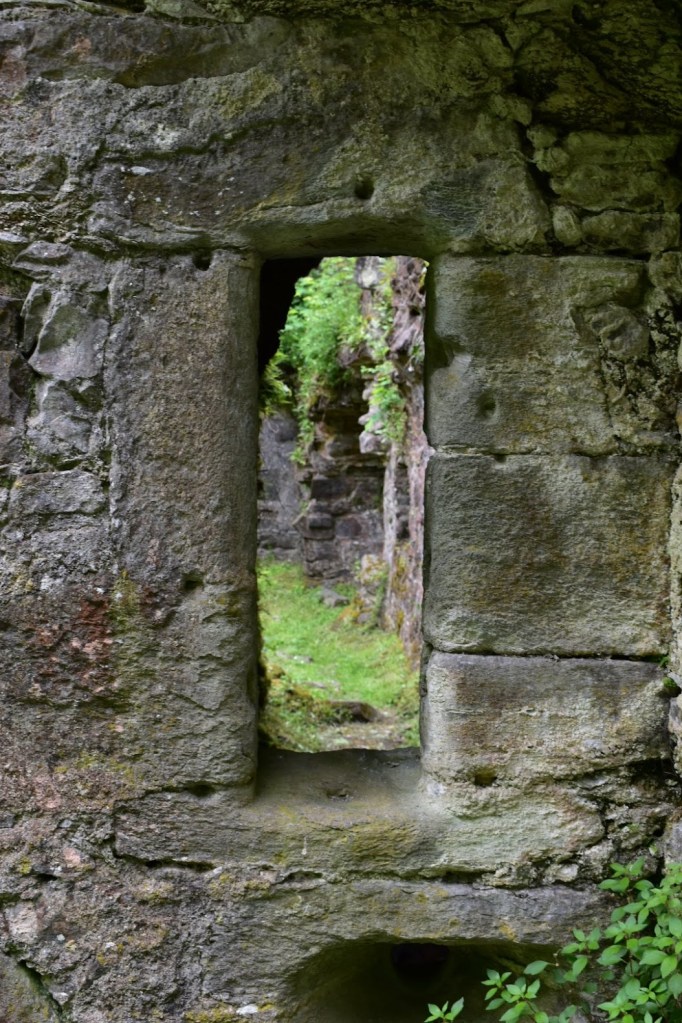
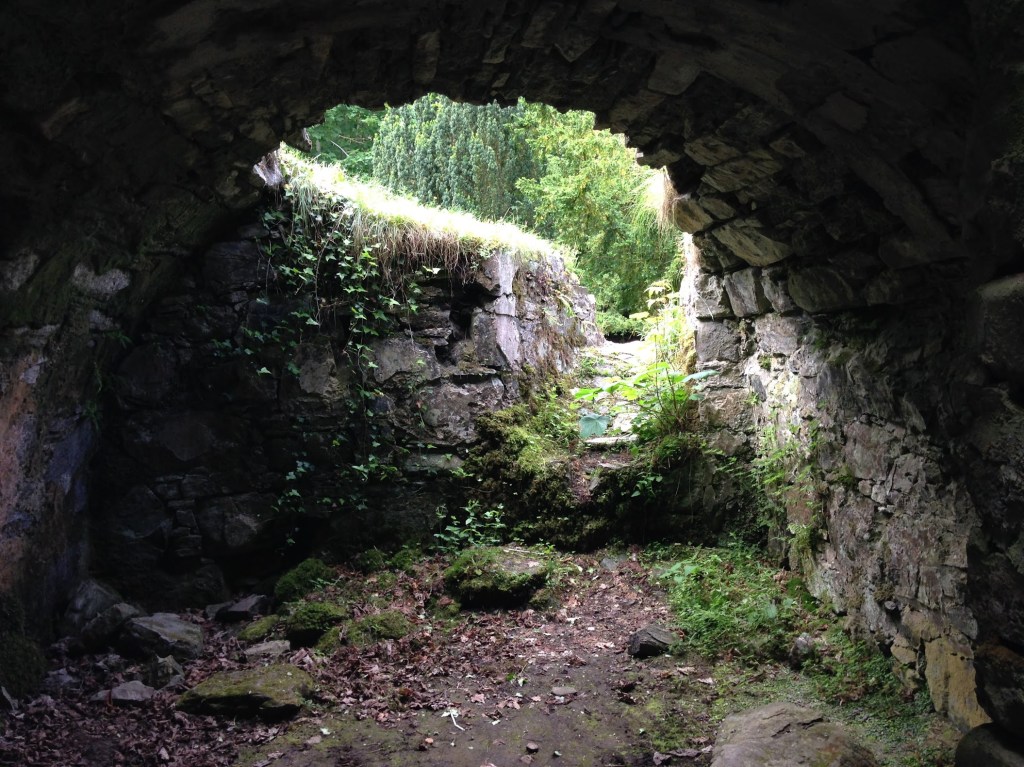
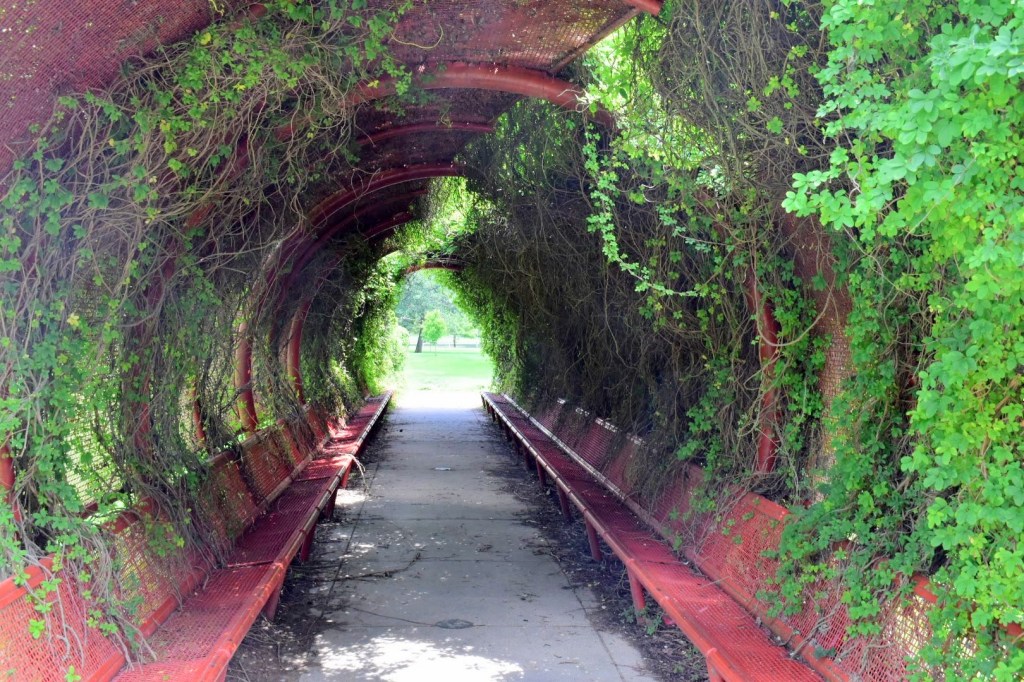
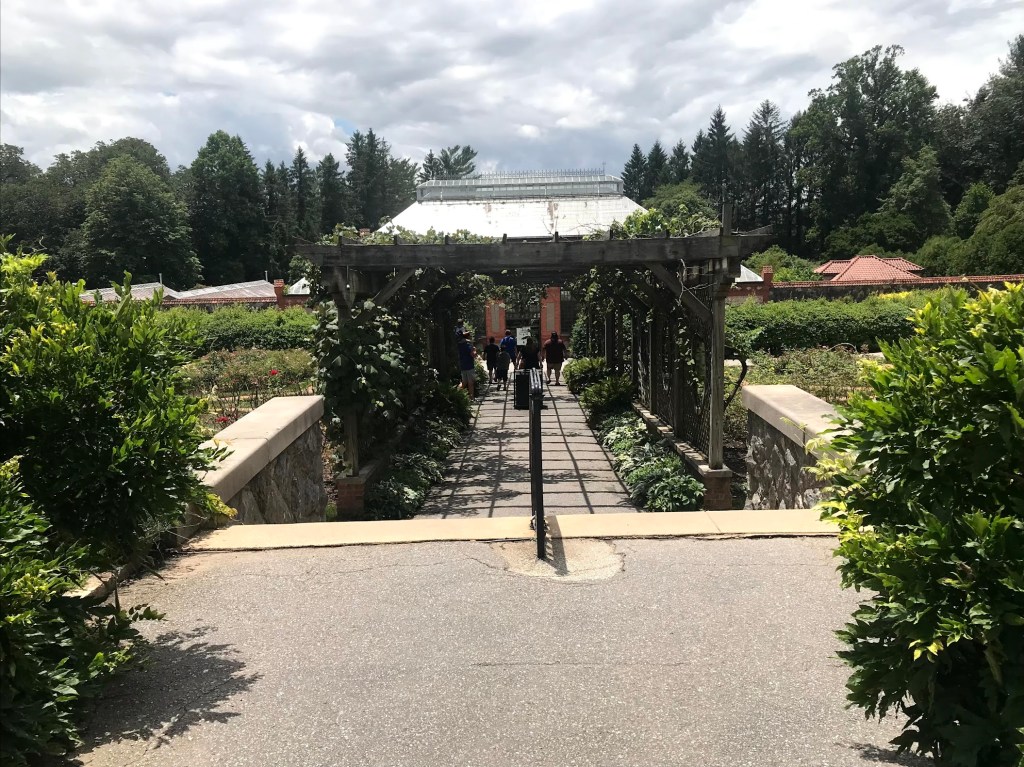
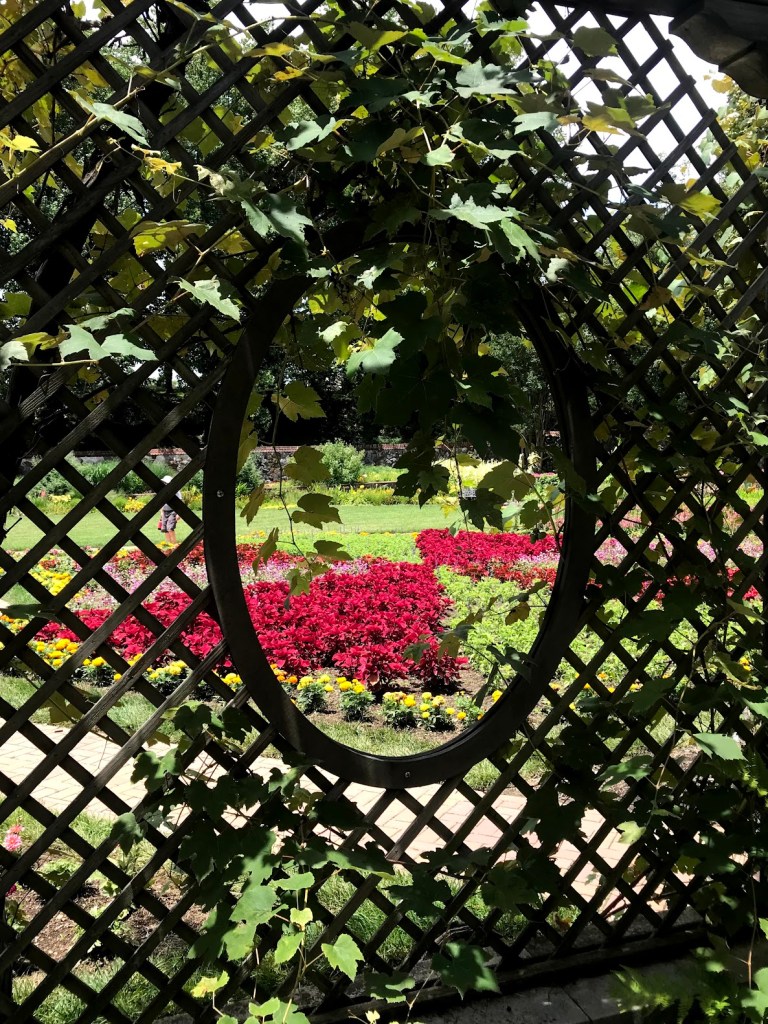
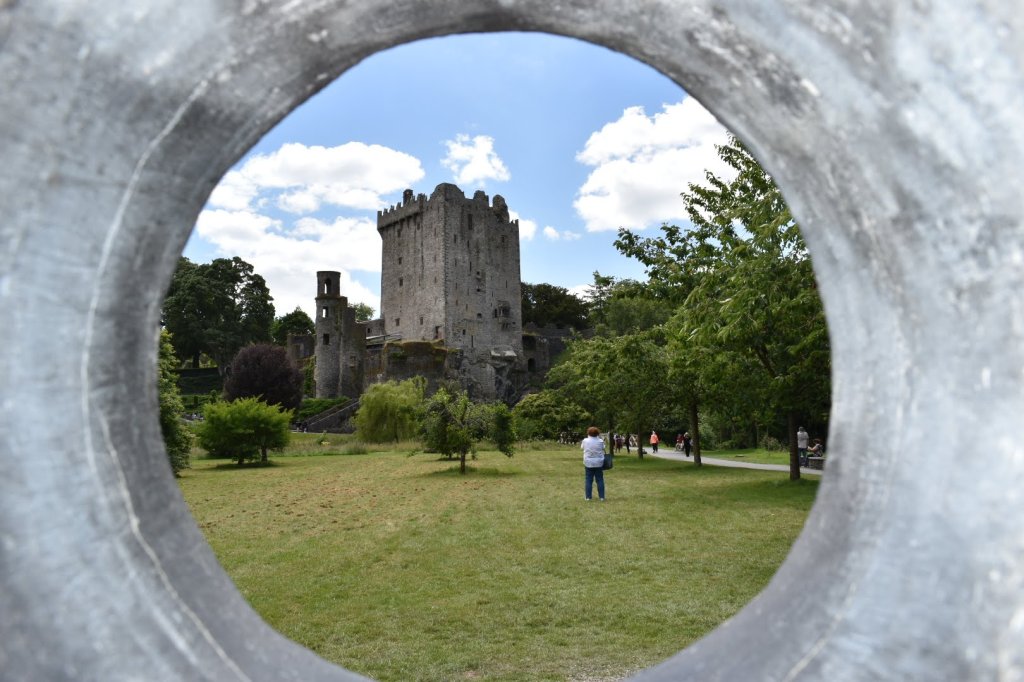
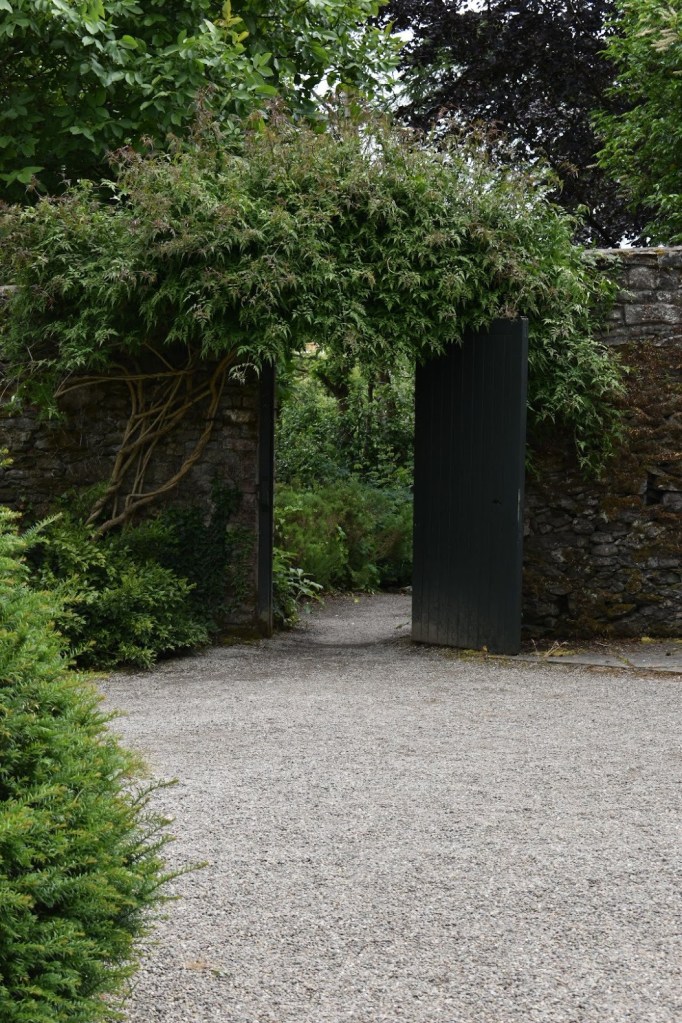
As an amateur photographer I have been drawn to images of passageways. These visual prompts can also make you reflect on the life passageways common to human experience. In this section of my blog I’m inviting you to consider both some passageways I’ve photographed, and others I will invite us to reflect on.

Leave a comment

Filed under Leadership, Passageways, Uncategorized

Living in the Path of Totality

This phrase “living in the path of totality” is one I have heard used several times recently as we approach the April 8, 2024 solar eclipse. The “path of totality” describes a narrow band of geography from Texas to Maine where the sun’s rays will be totally eclipsed for a few minutes as the moon passes between the earth and sun. The effect will be a gradual and then near complete “darkness” or obscuring of the sun’s light as the moon blocks it from earth. A total solar eclipse is rare, though there was one observed in parts of our nation about 7 years ago. This year’s event is more significant in that it will transpire across a larger swath of the country and some of the more metropolitan areas of population.

It also comes just a little over a week after Easter, as we emerge from the darkness of Jesus’ passion, including his death on Good Friday. In fact, the Bible describes the final hours of Jesus’ life on the cross in much the same way some of this scientific language forecasts the eclipse: “When it was noon, darkness came over the whole land until three in the afternoon.” (Mark 15:33 NRSV). Matthew recounts the descent of darkness in much the same way, adding some other special effects that occurred when Jesus’ died (Mt 23:51ff): “At that moment the temple curtain of the temple was torn in two, from top to bottom. The earth shook, and the rocks were split. The tombs also were opened, and many bodies of the saints that had fallen asleep were raised.” Luke states: “It was now about noon, and darkness came over the whole land until three in the afternoon, while the sun’s light failed; and the curtain of the temple was torn in two.” (Luke 23:44-45 NRSV). John makes no mention of the darkness, tearing of the veil, earthquake or opened tombs.

Continue reading

Leave a comment

Filed under Christian Faith, Holy Days, Ministry, Spiritual Formation, What I Am Learning

Mt Moriah – A Mountain of Trust?

Note to the reader: This is part 3 of a series I am calling “7 Summits” where various Bible heroes have mountain top encounters with the Holy One. Thus far in the series we’ve touched down on the summits of Mt. Tabor (the Mount of Transfiguration) and Mt. Ararat (where God forms a covenant with Noah). This week’s summit is on Mt. Moriah and involves Abraham and Isaac. Note: A companion medium to these blogs can be found on the First Marion Baptist Youtube channel where sermons on these topics are recorded.

Abraham and Isaac’s visit to Mt. Moriah (Genesis 22) may well be one of the more troubling narratives in the Old Testament. It centers around plans for a child-sacrifice, as Abraham obeys God’s directive to take his son, “his only son” to Mt. Moriah “and offer him there as a burnt offering”.

Immediately the reader/hearer is faced with a conundrum. How do we understand what feels like a barbaric request more akin to the followers of Moloch than Yahweh? Is this a story of pilgrimage? Is it a story of an abusive God? Is it a story of a misguided patriarch (Abraham)? Or, is it a story of faith and trust?

Continue reading

1 Comment

Filed under Christian Faith, Holy Days, Ministry, Pastors