Tag Archives: Lent

Wilderness & Lent

The traditional lectionary text for this past Sunday, the First Sunday of Lent, recounts Jesus’ temptation in the wilderness. This comes on the heels of Jesus’ baptism and is shared in Matthew 4:1-11, Mark 1:12-23, and Luke 4:1-13.

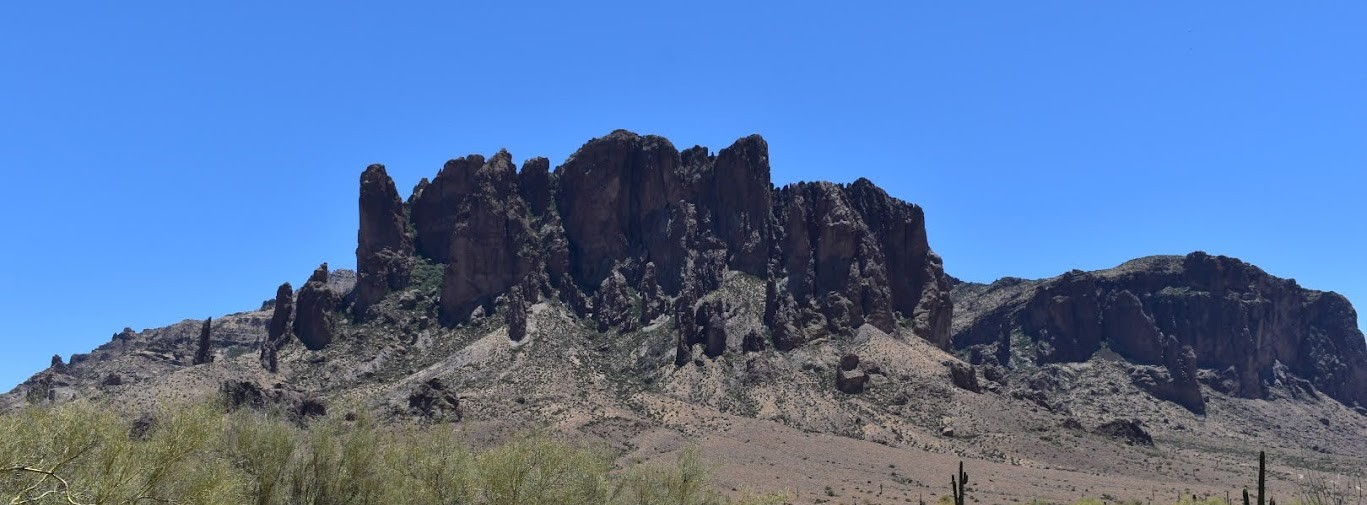
When I think of wilderness my mind goes to western United States topography. I think of the wilderness of Arizona – specifically around Superstion Mountain (see photo below), or the wilderness of the Badlands in South and North Dakota. These are arid places inhabited by sage brush, cacti, rattle snakes, heat or frigidity (depending on the season). The topography is rugged and unforgiving. These places are filled with life, but its a kind of organic existence that has learned to negotiate the hard scrabble climate and terrain.

Imagine spending 40 days, alone, fasting in these kinds of places. It would be nearly impossible. One would not only face the physical elements of the region, but also the physiological realities of food deprivation, both of which could easily contribute to sleep deprivation. So, why go there?

In truth, wilderness is not always a place you choose to enter, as much as it’s a place you find yourself. Matthew and Luke both say that Jesus was “led” by the Spirit into the wilderness. Mark says “the Spirit drove him out into the wilderness”. There seems to be acknowledgment that Jesus needed this experience. Into wilderness existence can come wilderness discovery. Which is, of course, is the essence of Jesus’ temptation experience. He comes face to face with the mental and spiritual challenges presented by the Evil One.

Wilderness demonstrates how closely these three are interrelated – physical, mental and spiritual. Jesus confronts and combats wilderness, with all of its mental, physical and spiritual challenges through prayer. His fasting is a compliment to prayer, which is also sustained by Scripture meditation, used to thwart Satan’s tempting.

Periods of self-reflection and testing may be bouyed by such practices (prayer, fasting, meditation). In deploying these things we combat the aloness of the wilderness periods of life. God, Spirit, Christ are “with us” in Word and prayer, in fasting and meditation. Strength and awareness come from our engagement with these resources, leading us ever and again to the creation of all that is good.

Emerging from such times we do well to also follow Jesus’ example of rest and recovery. He was tended to by the angels, the Biblical accounts tell us. Perhaps we can seek the “better angels of human nature” found in care givers, loved ones and friends to tend to our needs as we rest and recover. Here too the ministry of the spiritual, companions that of the physical, and we emerge the stronger for the struggle.

The season of Lent is oft described as “wilderness time” meant to offer the Christ follower a penintent path to Easter. May this path lead to a re-consideration of the connectedness of all that the wilderness constitutes, including that link between physical, mental and spiritual.
Leave a comment

Filed under Uncategorized, Ministry, Pastors, Christian Faith, Spiritual Formation, Passageways

Letting the Dust Settle

I did not grow up knowing Ash Wednesday. In fact I was probably in my late 30’s when I first attended an Ash Wednesday service. Since that initial experience I have since been to, even led, others. There is one being offered this evening at our church.

While I do not feel a need to be marked with a cross of ash residue on forehead or back of hand, I do respect the acknowledgement of mortality it represents. “From dust you came, to dust you will return”.

We are living in a time when there is a bombastic style of leadership attempting to drown out and overwhelm other messaging. Grandiose proclamations of “the greatest ever” this or that are commonplace. Shouting down and over criticism and questions has become the norm in the public sector. Hyperbolic statements of achievement and exagerated claims of significance reflect an egocentric approach that is, frankly, exhausting. Not only is humility absent, but praise is expected from those who serve alongside one whose unsatiatiable need for recogntion is unmatched. The adulation and acclaim sought seems unquenchable.

It is against this backdrop that Ash Wednesday arrives, an alternate message from an alternate perspective, sitting opposite the noise and bluster of today’s headlines. Ash Wednesday offers a needed reminder of humankind’s created status at the hands and mind of a benevolent Creator. It is about perspective, order, deferance, position – a need to acknowledge and assume a posture of humility. We, flawed and broken beings need the work of a Savior to rescue and redeem us. We are but dust, and to dust we shall return.

In Genesis 2 the account of creation shared states, “then the Lord God formed man from the dust of the ground and breathed into his nostrils the breath of life”. (Gen. 2:7) I have always favored this telling of creation because of both the “hands on” nature of God it depicts, as well as the reminder it offers of where we come from. Without God’s creativity and breath, we are but dust.

Most people do not like to think about their mortality, which may be why Ash Wednesday services are so lightly attended. It’s not a popular message. Yet, it’s an important one. Ever since the Fall of humanity, the human being has operated as if we are the center of things, and not God. But Ash Wednesday reminds us that in the end, we are but dust, just as we began. This is not a message of fatalism, but realism. It’s a message of order, humility, deferance, and perspective.

Let us not be fooled, the loudest, brashest and most bombastic messages will not carry the day. Let the dust settle on that.

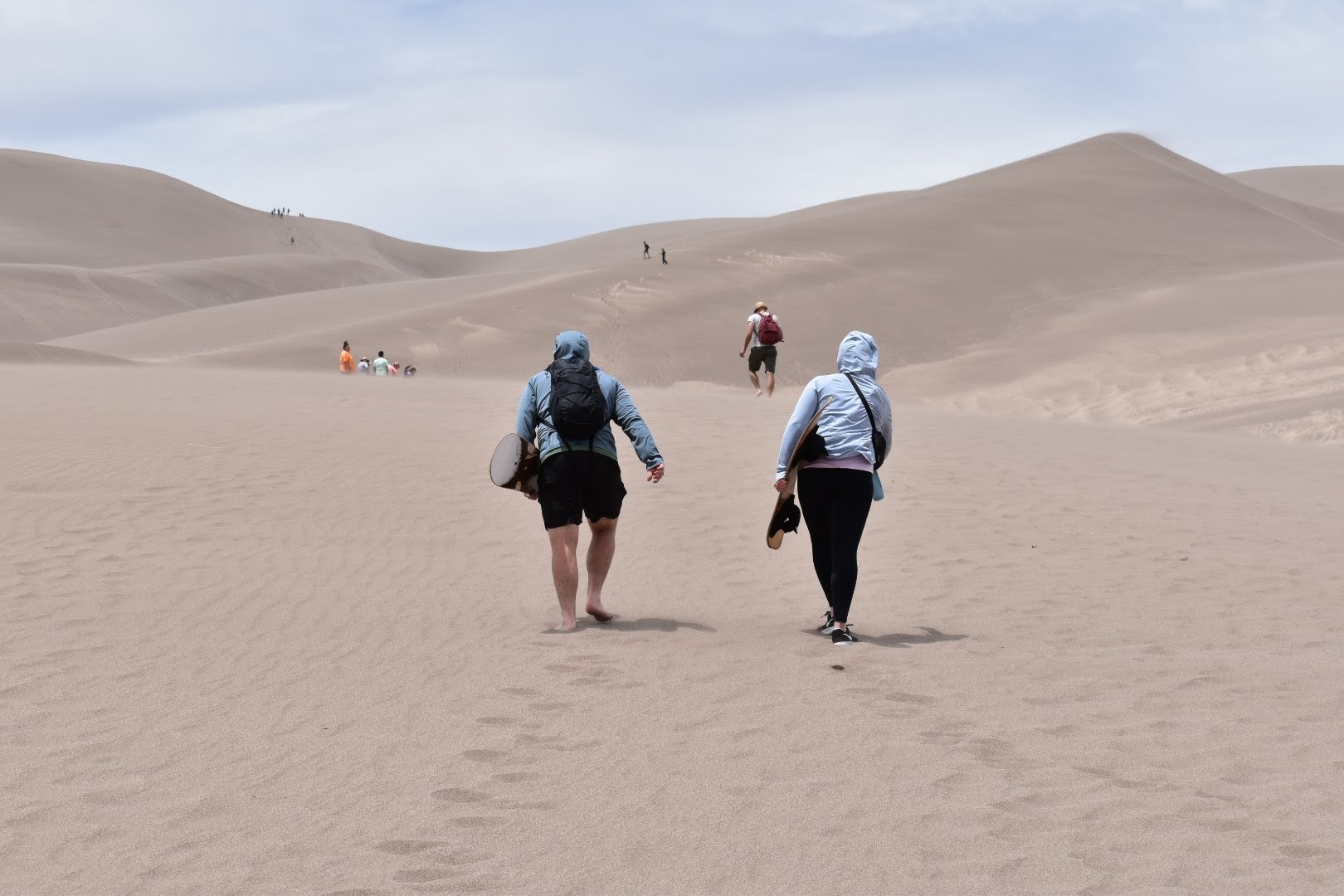
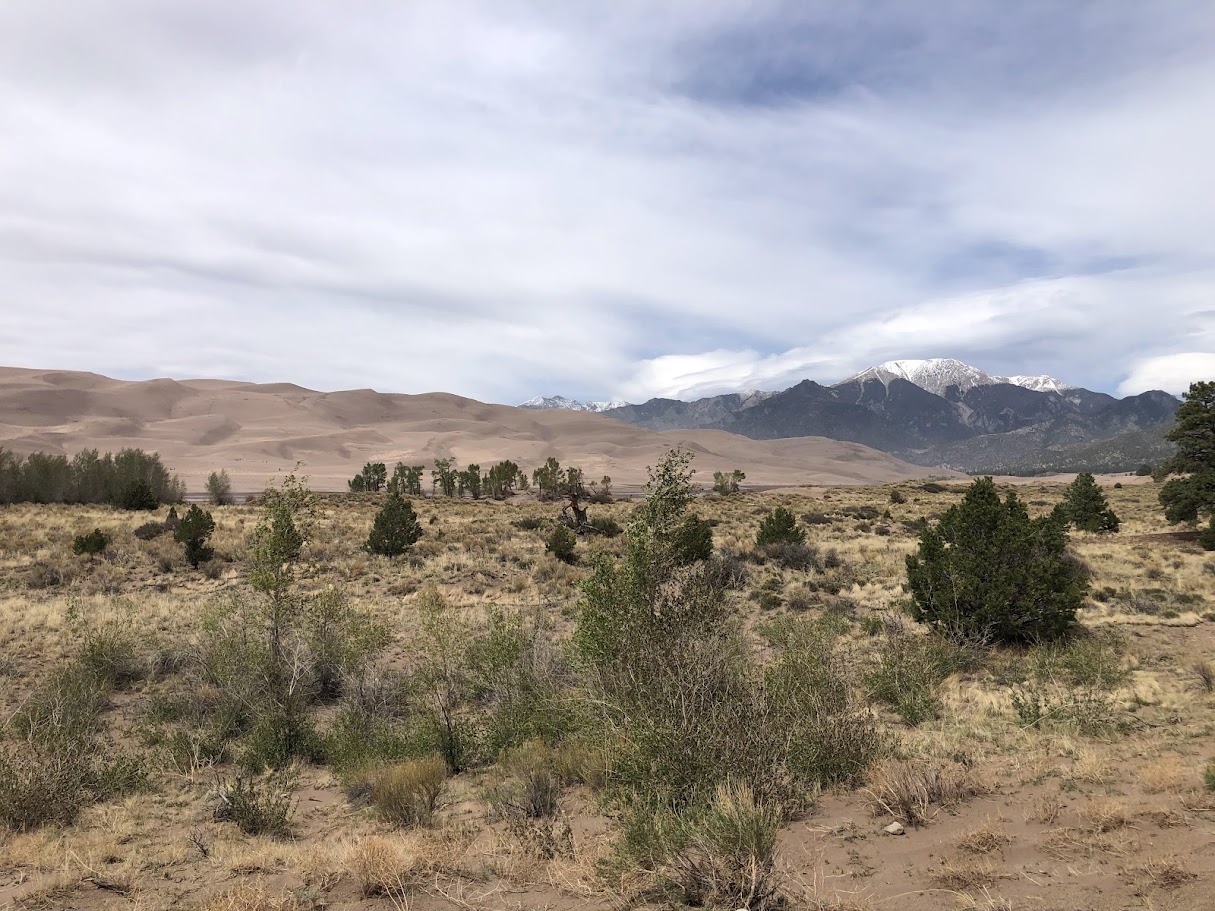
Images are from Great Sand Dunes National Park – Colorado. A dusty place!

Leave a comment

Filed under Christian Faith, Holy Days, Leadership, Ministry, Seasons, Uncategorized

“Going to Seed” (A Lenten Sonnet)

“Unless a kernel of wheat falls to the ground and dies, it remains only a single seed. But if it dies, it produces many seeds.” – Jesus (John 12:24 NIV)

New birth comes from rebirth. Death begats life.
Lose life and save it. Serve others, find hope.

We join Jesus who invites: “Come and die”.
“Die to self. Follow me”. Blossom. Bloom.

Seed to soil, germinate, mature, bear fruit.
Beyond self, looking out, opening up.

Abundant life today and tomorrow.
From one to many, from little to much.

Lay down freely, sprout forth obediently.
Multiply, influence. Son light yields life.

Practice living by giving up your life.
Greater love has no one save Christ Jesus.

His example is ours to follow up.
Fall to the ground, rise in new life and hope.

© 2025 Daniel M. Cash

Leave a comment

Filed under Christian Faith, Holy Days, Poetry

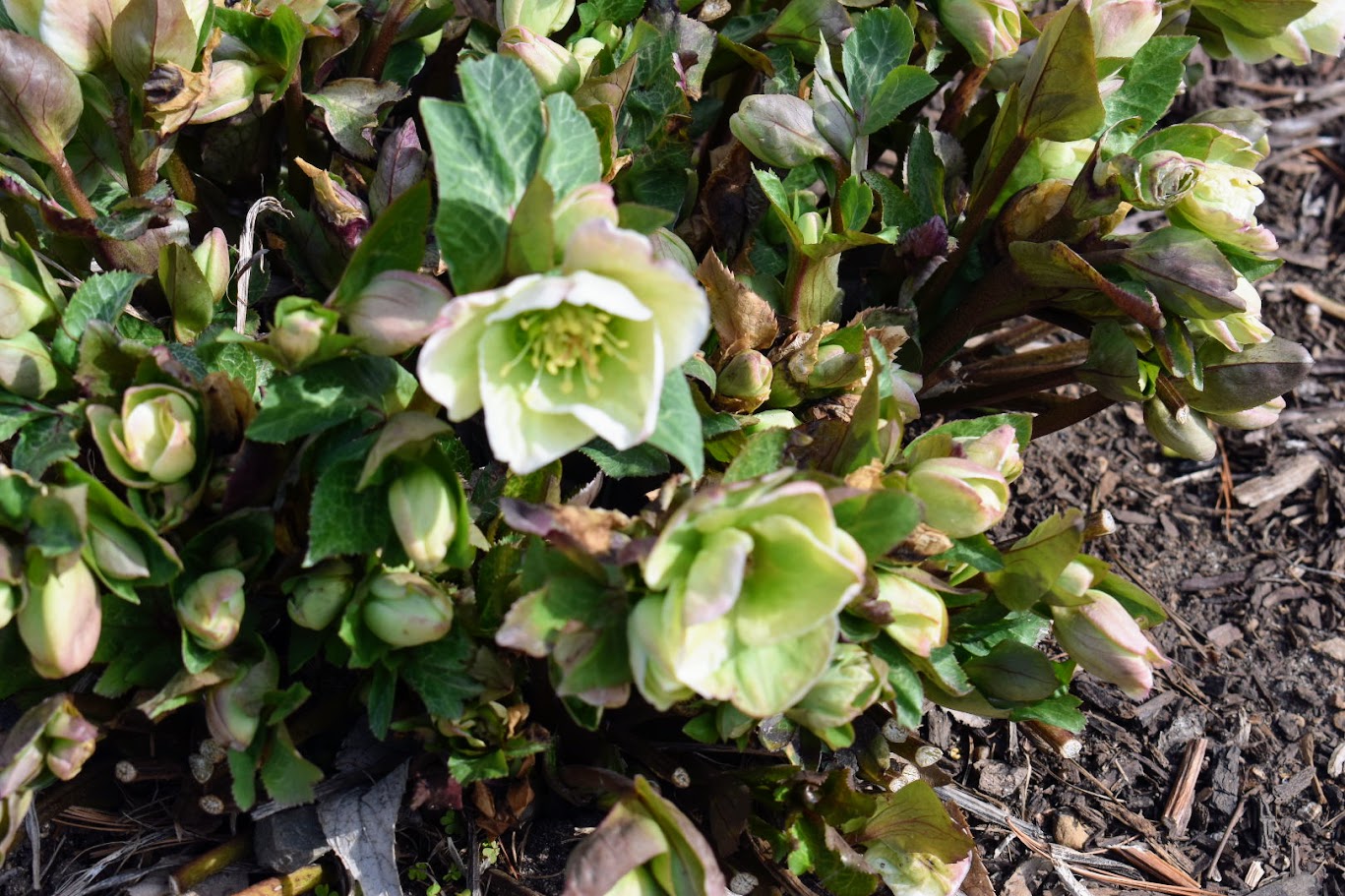
The Lenten Rose

Persistent through winter’s slog
It hugs the ground in determination.

Preparing to respond when sun and light invite,
An awakening of consequential manifestation.

Producing some of the season’s first blooms
As if emerging from a tomb.

Providing hope and promise consistent
With a forgiven penitent pilgrim.

It is the Lenten Rose.

2 Comments

Filed under Hope, Poetry, Seasons

Living in the Path of Totality

This phrase “living in the path of totality” is one I have heard used several times recently as we approach the April 8, 2024 solar eclipse. The “path of totality” describes a narrow band of geography from Texas to Maine where the sun’s rays will be totally eclipsed for a few minutes as the moon passes between the earth and sun. The effect will be a gradual and then near complete “darkness” or obscuring of the sun’s light as the moon blocks it from earth. A total solar eclipse is rare, though there was one observed in parts of our nation about 7 years ago. This year’s event is more significant in that it will transpire across a larger swath of the country and some of the more metropolitan areas of population.

It also comes just a little over a week after Easter, as we emerge from the darkness of Jesus’ passion, including his death on Good Friday. In fact, the Bible describes the final hours of Jesus’ life on the cross in much the same way some of this scientific language forecasts the eclipse: “When it was noon, darkness came over the whole land until three in the afternoon.” (Mark 15:33 NRSV). Matthew recounts the descent of darkness in much the same way, adding some other special effects that occurred when Jesus’ died (Mt 23:51ff): “At that moment the temple curtain of the temple was torn in two, from top to bottom. The earth shook, and the rocks were split. The tombs also were opened, and many bodies of the saints that had fallen asleep were raised.” Luke states: “It was now about noon, and darkness came over the whole land until three in the afternoon, while the sun’s light failed; and the curtain of the temple was torn in two.” (Luke 23:44-45 NRSV). John makes no mention of the darkness, tearing of the veil, earthquake or opened tombs.

Continue reading

Leave a comment

Filed under Christian Faith, Holy Days, Ministry, Spiritual Formation, What I Am Learning